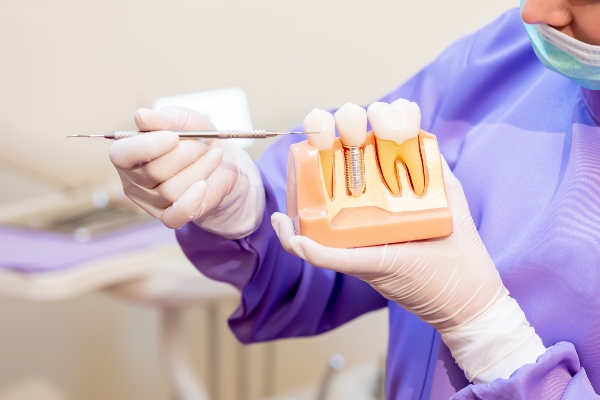
 For many individuals with missing teeth, dental implants are an effective way to restore the appearance and function of their smile. However, like any medical procedure, there are potential risks and complications associated with getting dental implants. While these risks are relatively rare, it is important for patients to be aware of them before undergoing this tooth replacement option.
The potential risks of getting dental implants
Infection
Dental implant placement is a treatment that requires at least two surgical procedures. As with any surgical operation, there is a risk of infection after implant placement. Infection can occur at the implant site, in the surrounding soft gum tissue, or in the jawbone that supports the implant. Symptoms of infection after implant placement may include:
- Severe pain
- Swollen or red gums
- Loose teeth
- Permanent bad breath
- New gaps between teeth
- Pus
If a patient experiences any of these symptoms, they should contact their dentist as soon as possible since this issue can lead to further oral and overall health complications.
Implant rejection or failure
In some cases, the patient's body may reject the dental implant. Rejection means the titanium post becomes loose or infected and must be replaced. Implant failure can occur due to the following:
- Peri-implantitis. Also known as peri-implant disease, this condition is a form of gum disease caused by dental implants. Similar to regular gum disease, it results from poor oral hygiene, overall poor health, or certain habits like smoking.
- Parafunctional habits. These habits are often involuntary, meaning that the body does them on its own. For example, patients who bite their nails or grind their teeth when sleeping do these actions without realizing it. In some cases, parafunctional habits can lead to implant failure.
- Lack of osseointegration. If an implant does not have enough bone to osseointegrate with the surrounding bone tissue, it may lead to implant failure.
Implant fracture breakage or fracture
An implant abutment screw that has broken or fractured is a serious complication that is not easy to repair. The dentist can sometimes salvage the dental implant by removing the screw and replacing the implant. However, the remaining bone may not be strong enough to support a new implant.
Nerve or tissue damage
Nerve or tissue damage can also occur during dental implant placement. Nerve damage can cause patients to experience pain or discomfort, numbness, or tingling in the lips, tongue, or chin. This often occurs in the lower jaw, where the nerves are closer to the surface. The damage may be temporary or permanent, depending on the severity of the injury.
Additionally, tissue damage can lead to inflammation, bleeding, or infection. Patients may experience these complications for various reasons, such as improper implant placement, poor oral hygiene, or a lack of bone density.
Sinus damage
For implants placed in the upper jaw, there is a potential risk of piercing the sinus cavity during the placement procedure. This can lead to sinusitis, an infection of the sinus cavity, or other sinus-related issues. Sinus damage is more likely for patients with insufficient bone density to support the dental implant.
Allergic reactions
While rare, some patients may experience allergic reactions to the materials used in dental implants, such as titanium or certain types of dental cement. Symptoms of an allergic reaction may include swelling, redness, or irritation around the implant site. In severe cases, some patients may experience anaphylaxis. Those with a known allergy to any dental materials should discuss this with their dentist during their initial consultation to avoid this complication.
Do you have questions or concerns?
While knowing the potential risks of getting dental implants is important, it is equally important to remember that most patients have successful outcomes with minimal complications. If you have any concerns about dental implants, do not hesitate to discuss them with Vatan Dental Group before undergoing treatment. Our team is here to support you and help alleviate any fear you may have. Reach out to our office to learn more.
Request an appointment or call Vatan Dental Group at 310-906-1300 for an appointment in our Los Angeles office.
Related Posts
Achieving a bright, functional smile can be life-changing, and dental implants stand out as a dependable solution for replacing missing teeth. These implants anchor into the jawbone, restoring comfort and the aesthetics of natural teeth. However, proceeding with this procedure requires thoughtful preparation and clear communication with a dental professional. Below are five important topics…
Dental implants can permanently replace teeth and maintain a natural appearance. Unlike traditional dentures or bridges, implants integrate with the jawbone, offering stability, functionality, and longevity. However, proper care is needed to ensure their success and prevent complications. Following the best practices for implant care can help maintain oral health and extend the restoration's lifespan.Dental…
Tooth loss affects many people, but dental implants provide a reliable and lasting solution. Unlike other options, implants replace missing teeth in a way that looks and feels natural. They improve oral health, restore function, and enhance appearance. Understanding why implants are the preferred choice can help you make the best decision for your smile.Designed…