Questions to Ask at Your Dental Implants ConsultationLos Angeles, CA
Getting a brand new smile through dental implants is an exciting time for most patients, but the process may seem intimidating before the dental implant consultation. It is helpful to know the right questions to ask the dentist to ease anxiety and know what to expect throughout the process.
Vatan Dental Group prides itself on transparency, and we strive to answer all questions we receive from prospective patients during the dental implant consultation. We believe everyone should have a smile they are proud to show off each day. Dental implants help many achieve a more attractive smile and increased confidence after tooth loss.
An initial consultation for dental implants is available at Vatan Dental Group in Los Angeles and the surrounding area. Reach out to us today to schedule your first visit and receive answers to your dental implant questions.
The process to a better smile through dental implants does not have to be stressful and knowing the questions to ask at your initial consultation ensures you can properly prepare for each step of the process. We advise patients to write down any questions they have before coming in for their consultation and encourage them to call with any preliminary questions or concerns they may have prior to their first visit.
An initial consultation for dental implants is the first step in the implant process. The visit typically involves discussing treatment goals, a thorough oral evaluation, and a detailed explanation of treatment expectations. We will need to collect the patient's medical information including oral treatment history, allergies, medications, family history, and any other relevant information pertaining to their treatment type. The patient will be informed of the paperwork they need to bring to the consultation appointment.
“The visit typically involves discussing treatment goals, a thorough oral evaluation, and a detailed explanation of treatment expectations.”
What to expect on the day of the procedure
Preparing for dental implant surgery is one of the primary focuses in the early stages of the implants process. By knowing questions to ask at your dental implant consultation about the preparation process, patients can feel more comfortable and relaxed on the day of the placement procedure.
What experience do you have with dental implants?
It is best to have a dentist in charge that has experience with dental implants. Be sure to ask questions about the experience of the dentist, in addition to who will perform the placement process. These kinds of questions should ease anxieties and help establish more trust between the patient and the dentist.
Where will the placement procedure take place?
Some dentists are capable of carrying out the implant placement surgery, whereas many others may refer patients out to an oral surgeon instead. The procedure might take place in the dental office or at the location of a doctor who focuses on implant placement. To eliminate surprises, it is helpful to ask about this information during the consultation.
What is the typical length of the placement procedure?
According to the U.S. Department of Veteran Affairs, the dental implant process can take anywhere from several months to two years from beginning to completion. However, the length of time for the placement procedure varies and depends on a variety of factors(location of the implant, number of implants, etc.). The placement of the implant is completed in one session. In almost every instance, the patient can return home on the same day.
What risks are associated with the procedure?
According to WebMD, dental implants have a success rate of up to 98%. Most patients do not experience complications, but implant failure is a possibility either shortly after placement or months later, which results in the need for dental implant restoration. Other associated risks include oral infection, damage to an adjacent tooth, or nerve damage. However, these complications are rare.
“According to WebMD, dental implants have a success rate of up to 98%.”
Post-Procedure Care and Adjusting to Normal Life
The post-surgery process is the most anxiety-ridden step in the process for many patients as there is likely to be some discomfort, especially the first couple of days. There are certain questions to ask during the consultation visit to learn about recovery and adjusting to normal life.
What should I expect post-procedure?
Be sure to ask about the expectations following implant placement. Mild to moderate discomfort is common after the surgical process of placing an implant into the jawbone. Also, the patient can expect gum swelling, mild bleeding, and increased sensitivity. It is important to follow the aftercare instructions provided by the dentist to ensure a proper recovery.
How quickly can I return to normal life?
Talk to your dentist about how long you should rest before returning to normal activity and a normal diet. Most patients experience swelling and tenderness for up to a week after implant placement, although a full recovery may take much longer.
“The post-surgery process is the most anxiety-ridden step in the process for many patients as there is likely to be some discomfort, especially the first couple of days.”
We encourage patients to play an active role in their own health and safety. It is important to ask questions about the risks associated with any procedure, no matter how safe it may be. There are several health conditions that can complicate dental implant treatment, such as autoimmune diseases, allergies, diabetes, gum disease, osteoporosis, and osteopenia. It may also affect those who take certain medications, those who smoke, and those undergoing chemotherapy or head and neck radiation.
To fully understand your risk factors, we encourage asking questions such as:
Will any of the medications I take interfere or affect dental implant treatment?
Will my condition affect the implant procedure?
What are the most common risks associated with dental implant surgery?
Can the complications that arise be reversed?
How safe are dental implants for my current health?
What are the advantages of undergoing implant treatment for my case?
Are there any side effects associated with dental implants?
If I do experience side effects, what should I do?
What are alternative treatments for those with high risk factors for dental implants?
“It is important to ask questions about the risks associated with any procedure, no matter how safe it may be.”
Dental implant procedures require follow-up visits to ensure complications do not develop after placement. It is helpful to ask about the expected follow-up visits to properly clear your schedule in advance and ensure you are available for routine check-ups. The consultation appointment typically involves a treatment plan that consists of both the treatment itself and subsequent follow-ups thereafter.
Follow-up visits are crucial for recovery as they allow both the patient and Vatan Dental Group to monitor progress, address any concerns, and make adjustments as needed. It is also important for the stability and durability of the implants themselves. Follow-up visits may be required monthly, but once the patient has successfully healed, the implants may be checked every six months during their biannual dental checkup. As each case varies, we will schedule follow-ups accordingly.
It may also be advisable to ask questions about the recovery period and what it would entail as each patient's treatment varies. There may be individualized instructions for the patient along with general instructions for post-treatment care. You may come up with questions about the recovery period as Vatan Dental Group discusses these instructions, but we encourage patients to come up with a few prior to treatment, especially questions regarding their own personal lifestyle habits.
“Follow-up visits are crucial for recovery as they allow both the patient and Vatan Dental Group to monitor progress, address any concerns, and make adjustments as needed.”
Frequently Asked Questions
Q.What qualifications should I look for at my dental implant consultation?
A.According to a study published in the Journal of the American Dental Association, "implant survival and success rates in general dental practices may be lower than those reported in studies conducted in academic or specialty settings." Therefore, an experienced dentist with quality reviews from previous dental implant clients is ideal, along with having the necessary education and license to practice. Also, patients should consider how the dentist presents himself and the trust established during the consultation.
Q.What takes place during the dental implant consultation?
A.Every patient is unique, but most consultations include a discussion of the patient's treatment goals (more attractive smile, better oral health, etc.), a thorough oral inspection, and additional information about the process.
Q.How long does a dental implant consultation last?
A.A dental implant consultation typically takes less than a few hours, and the dentist most often does not perform any procedures other than dental X-rays during the visit. One of the primary purposes is to help the patient decide upon the appropriate form of teeth replacement.
Q.What happens after the initial consultation for dental implants?
A.If the patient and dentist agree to move forward, mouth preparations such as bone grafting or periodontal disease treatment might be necessary. Once the mouth is ready, a day and time are scheduled for the placement of the implant.
Quality Dental Services Can Transform Your Smile
By visiting us as soon as possible, our team can help get you the professional treatment you need. Instead of waiting around and allowing the symptoms to get worse, we can provide you with treatment options.
An abutment is a component that attaches to the dental implant so a professional can place a dental crown to provide patients with an artificial, aesthetically pleasing and fully-functional smile.
Bridge
Multiple replacement teeth that are fixed in place via attachment to dental implants, natural adjacent teeth, or a combination of the two.
Dental Crown
A crown is an artificial tooth, usually consisting of porcelain, which covers the top of the implant to provide people with an aesthetically pleasing and fully-functional tooth.
Dental Implant
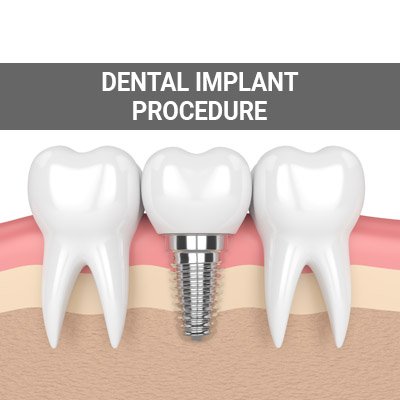
A dental implant is an artificial tooth root that is placed into your jaw to hold a replacement tooth or bridge. Dental implants may be an option for people who have lost a tooth or teeth due to periodontal disease, an injury, or some other reason.
Endosteal (endosseous)
Endosteal is a type of dental implant that a professional places in the alveolar and basal bone of the mandible that transcends only one cortical plate.
Eposteal (subperiosteal)
Eposteal is a type of dental implant that conforms to whichever edentulous surface of an alveolar bone is superior.
Implant-Supported Bridge
An implant-supported bridge is a dental bridge that professionals fix in place with the use of dental implants inserted in the jaw to create a sturdy set of artificial teeth.
Osseointegration
Osseointegration is the process in which a titanium dental implant fuses with the surrounding bone over several months after an oral health professional places the implant in the jaw.
Periodontal
Literally "around the tooth"
Resorption
Resorption is the process in which the body absorbs the calcium from the jaw since there are no tooth roots to cause the necessary stimulation and proceeds to use the calcium in other areas.
Transosteal (transosseous)
Transosteal is a type of dental implant that includes threaded posts which penetrate the superior and inferior cortical bone plates of the jaw.
Call Us Today
We enjoy helping patients achieve a more attractive smile through dental implants, and we do all we can to ease anxiety and answer all questions during the consultation. You can reach our team via phone for more information or to schedule a time for your first visit. Call us at (310) 906-1300 to start your smile treatment.
We accept the following payment methods: American Express, Cash, Check, Discover, MasterCard, and Visa
We serve patients from the following counties: Los Angeles County
We serve patients from the following cities: Los Angeles, Inglewood, Westchester, Marina del Rey, Playa del Rey, Playa Vista, Culver City, Fox Hills, Hawthorne, El Segundo and Santa Monica
Dental implants provide a long-term solution for those missing teeth, improving oral health and function. However, patients should learn as much as possible before the procedure to ensure the most effective treatment outcome. Asking the right questions during a consultation
Dental implants provide a long-term solution for missing teeth, offering functional and aesthetic benefits. Designed to mimic natural teeth, they help restore the ability to chew, speak, and smile with confidence. The process of receiving dental implants involves multiple stages,
Dental implants often beat out other tooth replacements due to their natural appearance and durability. Although getting them can be a lengthy process, many patients find it a worthwhile one. Proper preparation can contribute to a smooth experience and optimal
Achieving a bright, functional smile can be life-changing, and dental implants stand out as a dependable solution for replacing missing teeth. These implants anchor into the jawbone, restoring comfort and the aesthetics of natural teeth. However, proceeding with this procedure
Dental implants can be an effective tooth replacement option for anyone missing one or a few teeth or those needing all their teeth replaced. Many consider implants state-of-the-art tooth replacement. However, to enjoy this option’s many benefits, the patient must