

Understanding Dental Sealants
While brushing and flossing are integral to maintaining oral health and preventing cavities, some teeth have uneven surfaces that can be difficult to clean. Dental sealants are a beneficial addition to a comprehensive cavity management approach. These thin plastic coatings cover the surfaces of children's teeth and act as a protective barrier against debris, acid, and plaque.
Although dental sealants are not a replacement for a good oral hygiene routine, they can stop cavities from forming and even prevent early dental decay stages from developing into a cavity. The application of dental sealants can protect patients against 80% of cavities for two years and protect against 50% of cavities for up to four years, according to the Centers for Disease Control and Prevention (CDC). Sealants are a quick and painless preventative measure to protect children's oral health and prevent the need for more invasive procedures in the future.
“Although dental sealants are not a replacement for a good oral hygiene routine, they can stop cavities from forming and even prevent early dental decay stages from developing into a cavity.”
The Right Age for Sealants
Both children and adults can benefit from sealants, but the earlier they are put on, the better the long-term outcome. Children should get sealants on their permanent molars as soon as they come in. The first molars usually appear around six years old and the second molars roughly six years later. Sealants will protect teeth through a child's most cavity-prone years.
Dental sealants may also benefit baby teeth. Since baby teeth play such an important role in the correct spacing of permanent teeth, it is important to keep those teeth healthy and in place until they are ready to come out. When determining whether to have sealants applied to a younger child, make sure the child can keep their mouth open for an extended period and sit still for the procedure.
“Children should get sealants on their permanent molars as soon as they come in.”
Advantages and Disadvantages of Dental Sealants
Dental sealants are a great way to protect teeth against decay. The CDC has reported that children between the ages of six to 11 without sealants have about three times the amount of first molar cavities than children with sealants. Since dental sealants usually cover the teeth at the back of the mouth, they are not visible when speaking or smiling. This simple preventative approach can improve oral hygiene and save patients time and money in the long run by avoiding more costly treatments like fillings and crowns.
While there are many advantages to receiving dental sealants, there are some disadvantages that patients should consider. While sealants can protect healthy teeth or teeth with minor decay, they cannot cover dental fillings or decayed teeth. People should also consider durability, as dental sealants are not a permanent solution to decay prevention. Sealants will wear down over time, necessitating replacement after about five years. However, when placed correctly, some sealants can last up to nine or 10 years.
“This simple preventative approach can improve oral hygiene and save patients time and money in the long run by avoiding more costly treatments like fillings and crowns.”
The Application Process
The process of applying dental sealants is quick and painless. Before we can apply the sealants, we must first thoroughly clean and dry the tooth. After, an acidic gel roughens the chewing surface of the tooth to roughen it up.
The roughened surface will create a stronger bond between the tooth and the sealant. Once the tooth is rinsed and cleaned, we will apply the sealants to the tooth enamel and harden it with a curing light. The entire process of applying a dental sealant to a tooth only takes about one minute.
“The entire process of applying a dental sealant to a tooth only takes about one minute.”
Questions Answered on This Page
Q. What's the right age to get sealants?
Q. The key to understanding dental sealants?
Q. What are some of the advantages and disadvantages of dental sealants?
Q. What is the application process for dental sealants?
Q. What are kids' reactions to dental sealants?
People Also Ask
Q. What are composite fillings?
Q. What is involved in the dental cleaning portion of a checkup?
Q. Can sealants protect against cavity-forming bacteria?
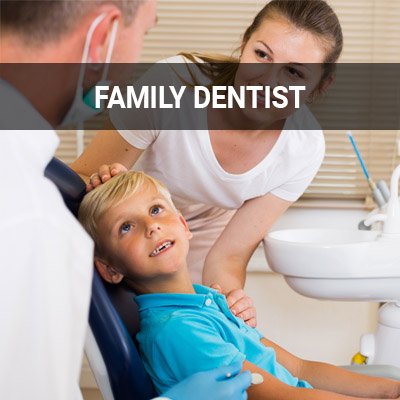
Q. Why should I see a family dentist?
Q. What are the benefits of seeing a family dentist?
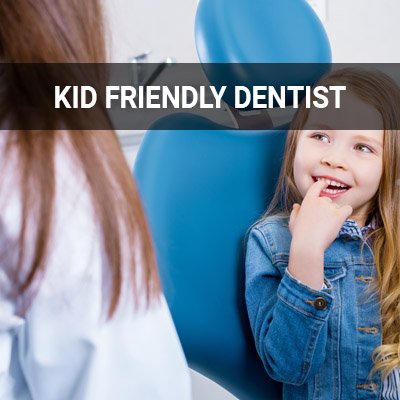
Q. What kind of treatments do kid-friendly dentists provide?
Kids' Reactions
Most children can handle receiving dental sealants since the application process is relatively quick and painless, and there are no restrictions afterward. Once their sealant hardens, children are free to eat and drink and resume their normal activities. Dental sealants may feel odd at first, but once children adjust, they will not even notice that they are on their teeth.
While the application process is straightforward, it does require teeth to be clean and completely dry. These standards can be difficult for children with sensitive gag reflexes or an active tongue. In such cases, we may recommend waiting six months to a year to allow greater patient cooperation.
“Dental sealants may feel odd at first, but once children adjust, they will not even notice that they are on their teeth.”
Frequently Asked Questions
Q.Are dental sealants safe?
A.Dental sealants are safe and effective for patients. While some people may be concerned about bisphenol A (BPA) exposure, according to the American Dental Association (ADA) , the amount is so minimal that there is no health concern. Patients get more exposure from food, drinks, sunscreen, and cosmetics.
Q.Do dental sealants hurt?
A.Getting a dental sealant does not hurt. Patients may notice the dental sealants on their teeth at first. However, this is temporary as people will adapt to the new feeling and not notice them anymore.
Q.How should I take care of my sealants?
A.Brushing and flossing remain important even when sealants are present. We also recommend that patients avoid chewy, sticky, or hard foods and snacks. Patients with sealants should also have regular dental check-ups to ensure that they are still effective and do not need replacing.
Q.Are there any side effects associated with dental sealants?
A.No. The only known side effect associated with dental sealants is an allergic reaction to the sealant material. This allergy is not common, but patients can have an allergy test beforehand as a precaution.
Q.How do dental sealants look on teeth?
A.Dental sealants are thin plastic coatings that help smooth out the rough surfaces of back teeth. They can be clear, tinted, or white. While sealants can be visible on teeth, they are not usually visible since they are at the back of the mouth.
Quality Dental Services Can Transform Your Smile
By visiting us as soon as possible, our team can help get you the professional treatment you need. Instead of waiting around and allowing the symptoms to get worse, we can provide you with treatment options.


Scan here to visit Vatan Dental Group on mobile
Dental Terminology
- Cosmetic Dentistry
- Cosmetic dentistry is generally used to refer to any dental work that improves the appearance (though not necessarily the function) of a person's teeth, gums and/or bite.
- Decay
- Tooth decay is when the enamel of the tooth begins to decay and cause erosion from plaque and tartar on the teeth.
- Dental Caries
- Dental caries are also known as cavities and result from a lack of proper oral hygiene leaving plaque that forms tiny holes in the teeth.
- Dental Checkup
- A dental checkup is an appointment that involves cleaning the teeth, identifying any signs of infection and removing said signs of infection at least once every six months in the office.
- Dental Filling
- A dental filling involves restoring the structure of the tooth by using metal, alloy, porcelain or plastic to fill the tooth.
- Dental Prophylaxis
- A dental prophylaxis is a professional and detailed cleaning that involves the removal of plaque, calculus and stains from the teeth.
- Dental Sealants
- Dental sealants contain a resinous material that we apply to the chewing surfaces of the posterior teeth to prevent dental caries.
- Dentist
- A dentist, also known as a dental surgeon, is a doctor who specializes in the diagnosis, prevention, and treatment of diseases and conditions of the oral cavity.
- Gingivitis
- Gingivitis is the inflammation of gum tissue that results from plaque, other infections in the mouth and poor oral hygiene.
- Preventive Dentistry
- Preventive dentistry is the dentistry that focuses on maintaining oral health in order to prevent the spread of plaque, the formation of tartar and infections in the mouth.
- Tartar
- Tartar forms when plaque builds up on the surface of the teeth and calcifies into a hard surface that is much more difficult to remove and will require professional treatment.
- Tooth Enamel
- Tooth enamel is the protective visible outer surface of a tooth that contains the dentin and dental pulp.
Helpful Related Links
- American Dental Association (ADA). Glossary of Dental Clinical Terms. 2025
- American Academy of Cosmetic Dentistry (AACD). Home Page. 2025
- WebMD. WebMD's Oral Care Guide. 2025
About our business, license, and website security
- Vatan Dental Group was established in 2012.
- We accept the following payment methods: American Express, Cash, Check, Discover, MasterCard, and Visa
- We serve patients from the following counties: Los Angeles County
- We serve patients from the following cities: Los Angeles, Inglewood, Westchester, Marina del Rey, Playa del Rey, Playa Vista, Culver City, Fox Hills, Hawthorne, El Segundo and Santa Monica
- CA (License #49259). View License Information and Specifics
- National Provider Identifier Database (1740278662). View NPI Registry Information
- Norton Safe Web. View Details
- Trend Micro Site Safety Center. View Details

Scan here to open directions to Vatan Dental Group on mobile