

Dental Crowns Explained
According to the American College of Prosthodontists, the most common dental restoration is a single dental crown. Dentists utilize dental crowns in a variety of treatment situations. Crowns may help protect vulnerable teeth from further decay. They may cap damaged teeth and cover deep fillings. Crowns often complete dental implants or cover teeth treated with root canals. Dentists can work with their dental lab and the patient to create custom-fitting dental crowns that may restore a tooth's shape and size to near perfect.
“Dentists can work with their dental lab and the patient to create custom-fitting dental crowns that may restore a tooth's shape and size to near perfect.”
How Dental Crowns and Dental Bridges Work
Crowns can be attached to an implant. The post of the implant, placed within the jawbone, replaces the roots of the tooth. According to the American College of Prosthodontists, this is a popular procedure in which the number of implant-supported crowns placed each year reaches 2.3 million. A crown over an implant can also serve as support for a dental bridge in the absence of natural teeth in the necessary location.
Several types of crowns vary by material. Common materials for dental crowns include porcelain fused to metal, ceramic, metal, and resin. Metals are typically alloys, which have the advantage of durability but the disadvantage of a conspicuous appearance. Due to this, dentists may use them for molars that are not visible. Porcelain and ceramic materials offer more accurate color matching; however, porcelain fused to metal can offer better wear. Recently, zirconium, a type of ceramic, has become a popular material due to its aesthetic qualities. A study review in the International Journal of Prosthodontics suggests that zirconium may provide a level of durability similar to that of metal-based porcelain.
“A crown over an implant can also serve as support for a dental bridge in the absence of natural teeth in the necessary location.”
Preparing for a Dental Crowns and Dental Bridges
Patients who opt for a dental crown first need an appointment to prepare the tooth. Our dentist must make sure that the roots are in good shape. If X-rays and other examinations reveal decay or infection, a root canal may be necessary. The other preparation steps include the following:
- Shaping the tooth. If the tooth's surface is mostly intact, the dentist removes some of the surfaces and sides by filing them down, which is usually done under local anesthetic. On the other hand, if there is not a lot of the tooth left, the dentist may need to use filling material to build it up instead.
- Taking impressions. Once the tooth is the right shape and size, our team takes an impression of the mouth using dental putty. An impression of both jaws is necessary to situate the crown and ensure correct bite alignment properly. The impression is sent to the dental lab to create a mold for making the crown.
- Making a temporary crown. It usually takes the dental lab about two or three weeks to make the permanent crown. In the meantime, our dentist creates a temporary crown from acrylic. It is attached with temporary cement and shields the tooth until the permanent crown can be placed.
“Patients who opt for a dental crown first need an appointment to prepare the tooth.”
Receiving a Dental Crown Step-by-Step
It may take a few appointments for a patient to receive a crown. In many cases, the dental crown procedure is part of another dental treatment plan, such as a root canal. Here is the step-by-step process for getting a dental crown:
- Before the Crown. The dentist treats any problems before starting the dental crown creation process. Any infections or cavities must be addressed or filled. Sometimes, an old crown needs replacement. In this case, the dentist will remove the remnants first.
- Preparation. Next, the dentist must prepare the tooth for the crown. The dentist or another member of our team will shave down the tooth to make room for the crown. Then, the dental staff makes a series of impressions to send to the lab. Some patients receive a temporary crown at the end of this appointment.
- Crown Delivery. Once the crown is ready for delivery, the patient must return to the office for placement. First, the dentist tries on the crown to make sure it feels and looks right in the mouth. If it fits correctly, the dentist uses dental cement to glue it in place permanently.
“In many cases, the dental crown procedure is part of another dental treatment plan, such as a root canal.”
Questions Answered on This Page
Q. What are dental crowns used for?
Q. What is it like to go through the process of receiving a dental crown?
Q. How does a dental crown work?
Q. What is entailed in the process before getting a dental crown?
Q. What are the types of dental crowns?
People Also Ask
Q. Am I a good candidate for a dental bridge?
Q. What is a dental emergency?
Q. What is restorative dentistry?
Q. How can a root canal help save my cracked tooth?
Types of Dental Crowns and Dental Bridges
There are many different materials used in dental crowns, including porcelain, ceramic, zirconia, metal, composite resin, or a combination of materials. The type of crown depends largely on the patient's case, condition, treatment type, and current oral health status. Patients are often able to choose the type of crown they prefer if their condition permits.
Dental crowns are often used to replace a tooth after an extraction, root canal, implant procedure, or other treatment. After an evaluation, we are able to determine the type of crown to best fit the patient's case. Consult our team with questions about our dental crown services and the types of crowns that could be suitable for your condition.
“The type of crown depends largely on the patient's case, condition, treatment type, and current oral health status.”
Frequently Asked Questions
Q.How long does a dental crown last?
A.Crowns usually last between five and 15 years. Good oral hygiene can extend their lifetime towards the higher end of this range. Additionally, avoid putting stress on them by biting on hard foods or chewing ice.
Q.What should I do if my dental crown comes off?
A.WebMD recommends cleaning the crown and the accessible parts of the tooth. Call the dental office right away and follow the care instructions given until the appointment. In the meantime, it is possible to use dental adhesive or temporary dental cement to replace the crown. The dentist will either replace the crown permanently or order a new one.
Q.How should I take care of a temporary dental crown?
A.Avoid chewing on the side of the mouth with the crown, if possible. Likewise, avoid hard or sticky foods that could pull off the crown. Follow a regular oral hygiene routine but avoid flossing up and down around the crown, as that could displace it.
Q.Is it possible to whiten a dental crown?
A.Regular tooth whiteners do not work on dental crowns. It is best to choose the preferred color before the crown is placed. Most crowns are made of porcelain or a combination of porcelain and metal. As a result, they do not discolor easily and should not present this problem once placed.
Q.Will my dental crown look like a real tooth?
A.Crowns are shaped to look like real teeth. We also strive to match them by color and ensure that they do not stand out among the natural teeth. While metal is sometimes used for crowns, it is generally reserved for teeth that are not visible.
Quality Dental Services Can Transform Your Smile
By visiting us as soon as possible, our team can help get you the professional treatment you need. Instead of waiting around and allowing the symptoms to get worse, we can provide you with treatment options.
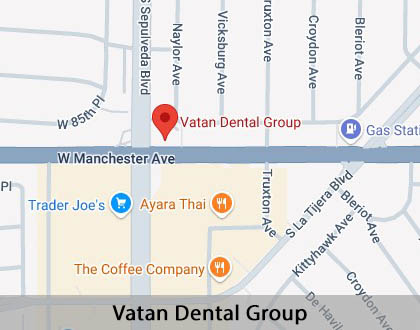

Scan here to visit Vatan Dental Group on mobile
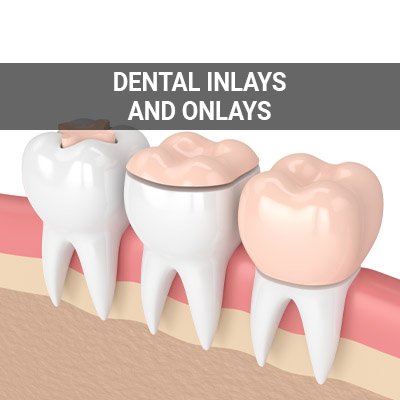

Cosmetic Dentistry Terminology
- Allograft
- An allograft is a graft of tissue from a donor within the same species as the patient that is not a genetic relative.
- Alveolar Ridge
- The alveolar ridge is the bony ridge for one of the jaw ridges located on the roof of the mouth or on the bottom of the mouth.
- Autograft
- An autograft is a graft of tissue from one portion of an individual's body to another.
- Bleachorexia
- Bleachorexia is when people continue to abuse teeth whitening solutions without consulting professionals, causing significant damage to their enamel and gums in the process.
- Cap Splint
- A cap splint is a plastic or metallic device that professionals may use to treat mandible or maxillary fractures and cover crowns of teeth.
- Cosmetic Dentistry
- Cosmetic dentistry is generally used to refer to any dental work that improves the appearance (though not necessarily the function) of a person's teeth, gums and/or bite.
- Crown Lengthening
- Crown lengthening is a surgical procedure that increases the extent of a tooth structure for restorative or esthetic purposes.
- Dental Crown
- A crown is an artificial tooth, usually consisting of porcelain, which covers the top of the implant to provide people with an aesthetically pleasing and fully-functional tooth.
- Dentin Hypersensitivity
- Dentin hypersensitivity is when the enamel wears down on the tooth enough that the dentin faces exposure and will cause great levels of pain when a person applies pressure to the tooth or drinks hot/cold beverages.
- Dentist
- A dentist, also known as a dental surgeon, is a doctor who specializes in the diagnosis, prevention, and treatment of diseases and conditions of the oral cavity.
Call Us to Get More Details
Our dental crown options in Los Angeles give patients choices for tooth restoration. If you have concerns about your teeth, call us today at (310) 906-1300 to schedule a consultation regarding any questions you have about our dental crown services.
Request AppointmentHelpful Related Links
- American Dental Association (ADA). Glossary of Dental Clinical Terms. 2025
- American Academy of Cosmetic Dentistry (AACD). Home Page. 2025
- WebMD. WebMD's Oral Care Guide. 2025
About our business, license, and website security
- Vatan Dental Group was established in 2012.
- We accept the following payment methods: American Express, Cash, Check, Discover, MasterCard, and Visa
- We serve patients from the following counties: Los Angeles County
- We serve patients from the following cities: Los Angeles, Inglewood, Westchester, Marina del Rey, Playa del Rey, Playa Vista, Culver City, Fox Hills, Hawthorne, El Segundo and Santa Monica
- CA (License #49259). View License Information and Specifics
- National Provider Identifier Database (1740278662). View NPI Registry Information
- Norton Safe Web. View Details
- Trend Micro Site Safety Center. View Details

Scan here to open directions to Vatan Dental Group on mobile