

Understanding Root Scaling and Planing
Scaling and planing help restore a patient's teeth and gums. The dental team removes sticky plaque and tartar from the surface of teeth. During a traditional dental cleaning, the team removes debris above the gum line, but the team goes one step further with root scaling. Dental providers remove plaque and tartar. below the gumline and along the root of the tooth.
Scaling can clear up advanced gum disease, sometimes known as periodontitis. This condition occurs when bacteria become trapped along the gumline. Patients with periodontitis may develop sore, inflamed, and infected gums. Those who do not receive treatment for gum disease may develop long-term health problems. Researchers have linked gum disease to heart disease, dementia, and some forms of cancer. Fortunately, root scaling and planing resolve gum disease. This procedure can heal the gums and improve the patient's health.
“Patients with periodontitis may develop sore, inflamed, and infected gums.”
When To Receive Root Scaling and Planing
We recommend root scaling and root planing to combat chronic periodontal disease, also known as gum disease. Patients with receding gums can also benefit from this treatment. During a routine dental examination, we will assess the patient's gum line and periodontal pockets. Deep pockets may indicate signs of periodontal disease and necessitate root scaling or planing.
Without root scaling or root planing treatment, people with periodontal disease can suffer additional oral and overall health problems. Eventually, the bacteria from diseased gums can lead to receding gums, tooth loss, bone loss, or loose teeth. Root scaling and planing can help repair some of the damage and prevent further gum damage. Additional treatments may be necessary in cases where the periodontal pockets have become deeper.
“Without root scaling or root planing treatment, people with periodontal disease can suffer additional oral and overall health problems.”
A Breakdown of the Procedure
Depending on the severity of the situation, root scaling and planing treatments may be broken up into multiple appointments. These procedures are done on an outpatient basis. Patients may or may not need a local anesthetic to numb the treatment site. We may focus on certain parts of the mouth during each appointment instead of treating the entire area in one visit.
Root scaling occurs before root planing. We will scrape plaque deposits from the teeth and in the large pockets between the gums during root scaling. During root planing, we will go deeper into the gum line to remove bacteria and plaque. We will smooth out the roots deep within the gum line, clearing off tartar build-up and bacteria. At the end of the procedure, the gums and mouth are flushed with water to remove any remaining loose residue or bacteria.
“Depending on the severity of the situation, root scaling and planing treatments may be broken up into multiple appointments.”
Benefits and Drawbacks of Root Scaling Treatment
One of the biggest benefits of root scaling and root planing is that it helps prevent further gum disease. After treatment, patients will have cleaner mouths with fewer gum problems and cavities. Healthier gums feel less tender and will not bleed while flossing or brushing.
Root scaling and planing may not be the best treatment option for everyone. Patients who do not commit to excellent oral hygiene habits may not see as many benefits in the future. Additionally, immunocompromised individuals or patients with severely receding gums may not be candidates for the treatment.
“One of the biggest benefits of root scaling and root planing is that it helps prevent further gum disease.”
Questions Answered on This Page
Q. When are root scaling and root planing necessary?
Q. What happens during a typical root scaling and root planing procedure?
Q. What are the benefits and drawbacks of root scaling?
Q. What aftercare should occur after treatment?
Q. What are the keys to understanding root scaling and planing?
People Also Ask
Q. What is the difference between a dental cleaning and a deep cleaning?
Treatment Aftercare
Gum sensitivity is normal during the first few days after this deep cleaning treatment. The gums may be tender, swollen, and even bleed. We recommend that patients gently brush their teeth and use wax-coated floss. They should also periodically rinse their mouth with warm salt water or an oral rinse to prevent infection.
A follow-up appointment is necessary so that we can check for gum improvement. If the gums are firm and pink again and the pockets are smaller, patients may not need further treatment. People can then schedule regular dental check-ups to maintain gum and oral health.
“If the gums are firm and pink again and the pockets are smaller, patients may not need further treatment.”
Frequently Asked Questions
Q.Is root scaling and planing painful?
A.Dental providers use numbing medication to prevent patients from feeling discomfort during treatment. Afterward, patients may experience sore or tender gums. However, these side effects usually disappear within a few days.
Q.How long will it take for my gums to recover?
A.Most patients make a full recovery within 1-2 weeks. Keep in mind that some patients may need frequent scaling and planing. Annual or biannual procedures can prevent gum disease from returning. Our team can determine whether you need ongoing treatment.
Q.How long does the procedure last?
A.Root scaling and planing usually take 1-2 hours. The dental provider may perform the treatment in one visit, or they may split the procedure into two stages. Our team can determine the right treatment schedule for you.
Q.What are the risks of root scaling and planing?
A.Most patients are eligible for root scaling and planing procedures. However, this treatment may not be right for patients with bleeding disorders or compromised immune systems. Patients with severe tooth decay or oral infections may benefit from a different treatment. Our team can determine whether you are a candidate for root scaling and planing.
Q.How can I know if I need this procedure?
A.Root scaling and planing can treat an advanced form of gum disease known as periodontitis. Periodontitis symptoms may include:
- Swollen gums
- Red or purplish gums
- Gum bleeding
- Bad breath
- Visible pus along the gumline
Untreated periodontitis can result in tooth loss, receding gums, and widespread infection. Researchers have also found that patients with periodontitis are at a higher risk for heart disease and dementia. Treatment helps patients resolve gum disease and other issues that may occur from gum disease.
Quality Dental Services Can Transform Your Smile
By visiting us as soon as possible, our team can help get you the professional treatment you need. Instead of waiting around and allowing the symptoms to get worse, we can provide you with treatment options.
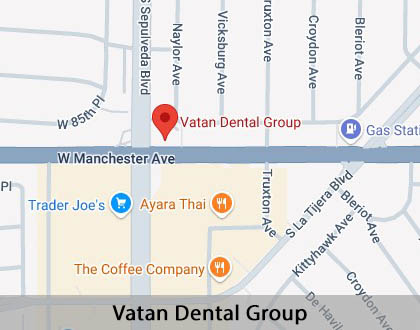

Scan here to visit Vatan Dental Group on mobile


Periodontic Terminology
- Calculus
- Calculus, also known as tartar, refers to the hardened dental plaque that forms on teeth due to a lack of proper oral hygiene.
- Conventional Periodontal Therapy
- Conventional periodontal therapy is a non-surgical treatment that is also known as a deep cleaning or "Scaling and Root Planing."
- Debridement
- Debridement is the process in which the patient's teeth have thick layers of plaque that require a specialized procedure for removal.
- Deep Cleaning
- Also known as scaling and root planing, a deep cleaning involves the removal of plaque within the pockets or space between the teeth and gums.
- Gingival Flap Surgery
- Gingival flap surgery is a procedure in which the periodontist separates the gums from the teeth temporarily to reach the root of the tooth and nearby bone.
- Laser Deep Cleaning
- A laser deep cleaning maintains the same goal as a traditional deep cleaning, but uses a dental laser to ease the process and avoid using metal tools on the teeth/gums.
- Necrotizing Periodontal Diseases
- A necrotizing periodontal disease is a disease that involves the necrosis of gingival tissues and lesions forming in the mouth.
- Non-Surgical Periodontal Therapy
- Non-surgical periodontal therapy can include treatment such as root scaling and planing, which is a deeper dental cleaning to remove tartar from the mouth.
- Periapical Abscess
- A periapical abscess is an abscess that forms from inflammation containing pus in the tissue surrounding the tooth.
- Periodontal Ligament
- A periodontal ligament is a tissue that connects the tooth to the bone and is destroyed by advanced periodontal disease.
- Periodontitis
- Periodontitis is a lethal gum infection that results from poor oral hygiene, damaging soft tissue and destroying the bones that support the teeth.
- Periodontium
- The periodontium is the tissue that surrounds and supports the teeth, gums, periodontal ligament and bone.
- Plaque
- Plaque is a sticky film consisting of bacteria that coats the teeth after consuming various foods and beverages, requiring brushing to remove.
- Pocket Depth
- Pocket depth is the method for measuring the gum pockets surrounding the teeth to determine the overall health of the gums.
- Tartar
- Tartar is a hard calcified deposit of plaque and bacteria that forms on the teeth and promotes further decay of the enamel.
Call Us Today
If you have gum disease, root scaling and planing can help reverse this issue. Our team at Vatan Dental Group can help. Call us today at (310) 906-1300 to learn more about our services or schedule an appointment.
Request AppointmentHelpful Related Links
- American Dental Association (ADA). Glossary of Dental Clinical Terms. 2025
- American Academy of Cosmetic Dentistry (AACD). Home Page. 2025
- WebMD. WebMD's Oral Care Guide. 2025
About our business, license, and website security
- Vatan Dental Group was established in 2012.
- We accept the following payment methods: American Express, Cash, Check, Discover, MasterCard, and Visa
- We serve patients from the following counties: Los Angeles County
- We serve patients from the following cities: Los Angeles, Inglewood, Westchester, Marina del Rey, Playa del Rey, Playa Vista, Culver City, Fox Hills, Hawthorne, El Segundo and Santa Monica
- CA (License #49259). View License Information and Specifics
- National Provider Identifier Database (1740278662). View NPI Registry Information
- Norton Safe Web. View Details
- Trend Micro Site Safety Center. View Details

Scan here to open directions to Vatan Dental Group on mobile