

Understanding Oral Surgery
As recognized by the American Dental Association, oral and maxillofacial surgery deals with diagnosing and treating diseases, injuries, and defects involving the hard and soft tissues of the oral and maxillofacial region. "Oral" refers to the mouth, and "maxillofacial" refers to the jaw and face. Since the field may address both aesthetic and functional areas of these regions, there are many different types of oral and maxillofacial surgeries. Oral surgery is a long-established and well-researched area of study that is safe when conducted by a qualified professional.
“Because the field may address both aesthetic and functional areas of these regions, there are many different types of oral and maxillofacial surgeries.”
Reasons for Oral Surgery
Oral surgery may help with several conditions. Some of the most common include:
- Tooth Loss. Losing natural teeth can erode the jawbone over time, making deterioration an inevitability. Dental implants can prevent this from happening by anchoring the false teeth to the jawbone and stabilizing them.
- Impacted Teeth. Teeth are "impacted" when they become trapped between the jawbone and the gum tissue. Usually, this happens because the tooth has not emerged in proper alignment or entirely through the gumline. Generally, dentists will recommend patients have these removed.
- Orthodontics. Oral surgery is sometimes necessary when braces are not enough to correct malocclusion (a misaligned bite). In such cases, a dental professional works with a surgeon to build a personalized treatment plan for the patient's orthognathic surgery (corrective jaw surgery).
It is important to remember that the above list is not exhaustive. Patients should consult with a professional to ensure which treatment option is right for them.
“Oral surgery may help with several conditions.”
Preparing For Oral Surgery
We highly encourage patients to address all questions and concerns they have about their surgery during the consultation. It is important to understand all of the implications that go into any surgery and be prepared well ahead of time. No matter the type of surgery, we will inform the patient of their procedure type, discuss instructions prior to and during the procedure, and relay any crucial information they need to know before the surgery.
In general, surgical procedures involve a form of sedation, which will require the patient to fast from midnight the night before their surgery. Fasting prevents aspiration, a rare complication in which contents of the stomach fill the lungs. Patients receiving sedation will also need a ride to and from our office as the anesthetic can impair their consciousness. We also recommend that patients wear a short-sleeved shirt to allow for easy access to the veins and to help us monitor their blood pressure during surgery. Any additional instructions will be given on a case-by-case basis.
“In general, surgical procedures involve a form of sedation, which will require the patient to fast from midnight the night before their surgery.”
Surgery Procedure
On the day of surgery, we advise patients to arrive early to complete any necessary paperwork. It also allows them to stay calm and relaxed before their surgery, keeping their heart rate and blood pressure steady. The duration of surgery depends largely on the condition, severity, and current oral health status. We will discuss the length of time before the surgery.
Once the patient has checked in and is ready for treatment, we will inject the anesthetic, which will be local or general anesthesia or nitrous oxide. An IV may be required for some patients to keep their vitals up during surgery. Once the patient is numb, we will begin the procedure. Each procedure varies, but the patient will have a good understanding of what their procedure will entail before coming in on the big day.
“The duration of surgery depends largely on the condition, severity, and current oral health status, but the estimated length of time will be discussed with the patient before the day of surgery.”
Questions Answered on This Page
Q. How can I prepare for oral surgery?
Q. What happens during the surgery procedure?
Q. What happens during the recovery period?
People Also Ask
Q. Do I need a tooth extraction?
Q. How do dental implants compare to dentures?
Q. What are the reasons for wisdom teeth extraction?
Q. What happens during the initial consultation for dental implants?
Recovery
Each patient and their recovery time is different. The day of surgery will require complete rest as patients will likely be drowsy. It is important to keep the head elevated while lying down, avoid any strenuous activities, and drink plenty of fluids. Patients will be prescribed pain relievers and antibiotics, which they will need to take as directed.
Bruising, bleeding, and swelling are common symptoms after oral surgery and are completely normal for the first few days. However, if these or other concerning symptoms persist, call us immediately to schedule a follow-up.
“It is important to keep the head elevated while lying down, avoid any strenuous activities, and drink plenty of fluids.”
Frequently Asked Questions
Q.Is there open enrollment for oral surgery?
A.Oral surgery is included in many dental insurance plans. It is important to talk to your provider prior to booking the surgery in order to understand your benefits and what you may owe. Open enrollment for oral surgery differs from state to state, and the deadlines are posted on state government websites.
Q.What is "dry socket?"
A.Dry sockets are blood clots that often appear after extraction surgeries and usually go away on their own. In most cases, dry sockets result from inadequate hygiene practices, smoking, and overexertion during recovery. Symptoms include bad breath, foul odor and taste, and increased pain. Patients who experience dry socket for longer than three days should contact their doctor as soon as possible to schedule a follow-up.
Q.Is oral surgery painful?
A.Any type of oral surgery involves the use of anesthesia to keep patients comfortable and pain-free during the procedure. In most cases, the numbing agent lasts for at least an hour after the surgery and may last the remainder of the day, depending on the type of surgery and anesthetic used. However, after the numbing agent wears off, patients will likely feel pain in or around the surgical site and will be given pain relief medication and antibiotics to help with swelling and inflammation.
Q.What are the most common types of oral surgeries?
A.The single most common oral surgery is wisdom tooth extraction, with an estimated 10 million wisdom teeth extracted from approximately five million people in the United States each year. Other common oral surgeries include dental implants, bone grafting, corrective jaw surgery, and facial trauma surgery.
Q.When can I start eating and resuming my everyday activities?
A.In most cases, patients may resume eating as normal as soon as a week after surgery. Since each type of surgery is different, we may recommend patients eat certain foods and beverages for a shorter or longer period. Medications may also alter eating habits. This will all be discussed during the consultation appointment and reiterated after the surgery.
Quality Dental Services Can Transform Your Smile
By visiting us as soon as possible, our team can help get you the professional treatment you need. Instead of waiting around and allowing the symptoms to get worse, we can provide you with treatment options.
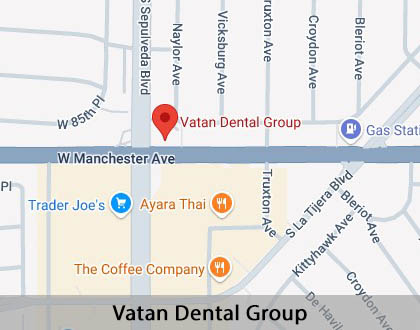

Scan here to visit Vatan Dental Group on mobile
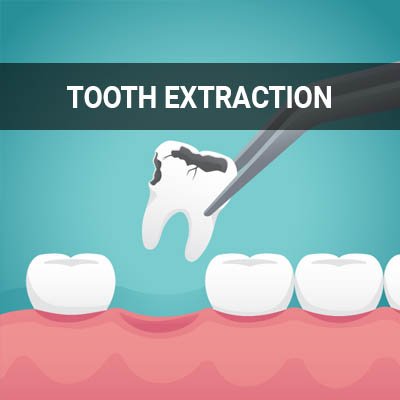

Oral Surgery Terminology
- Crown Lengthening
- Crown lengthening is the procedure in which a professional removes an overgrowth of gum tissue from the teeth to make the teeth appear longer.
- Dental Implant Surgery
- Dental implant surgery involves inserting metal posts, usually consisting of titanium, into the jaw bone to attach abutments to and give patients the full functionality and visually-pleasing teeth.
- Facial Trauma
- Facial trauma can occur when someone is hit in the face by a ball or accidental elbow, along with smashing the face into objects such as a wall or steering wheel.
- Functional Dentistry
- Functional dentistry involves a strong focus on identifying the root cause of oral health issues and not just treating the symptoms.
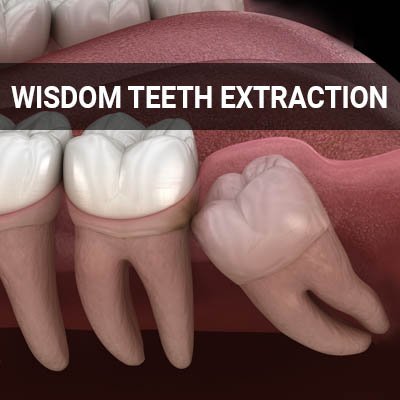
- Impacted Wisdom Teeth Extraction
- Removing an impacted wisdom tooth is crucial for the patient's health and well-being since an impacted wisdom tooth will continue to grow in a crooked direction, causing pain. Impacted wisdom teeth will need to be pulled more often than not.
- Oral and Maxillofacial Surgery
- Oral and maxillofacial surgery involves the diagnosis and surgical treatment of conditions that result in functional and esthetic aspects of the hard tissues in the maxillofacial region.
- Obstructive Sleep Apnea
- Obstructive sleep apnea is a condition in which the individual has difficulty breathing during sleep and experiences a variety of symptoms due to it, including loud snoring.
- Orthognathic Surgery
- Orthognathic surgery is also known as corrective jaw surgery that can help to correct any issues with the jaw including conditions such as sleep apnea and TMJ.
- Reconstructive Surgery
- Reconstructive surgery involves multiple procedures to rebuild or correct the structure of the mouth, teeth and jaw.
- Regeneration
- Regeneration is a procedure in which a professional will fold back the gums to remove bacteria that can cause diseases and inserts bone grafts, membranes or other stimulating tools to promote tissue regeneration.
- Rubber Dam
- A rubber dam is a dental tool that separates the individual tooth from the rest of the mouth during the surgery to prevent anything from spilling into the mouth.
- Soft Tissue Graft
- A soft tissue graft involves removing tissue from somewhere else on the patient's body and attaches it to the gums to replace missing or damaged gum tissue.
- Unequal Jaw Growth Surgery
- Unequal jaw growth surgery will involve moving all or part of the upper/lower jaw to a more-balanced position that promotes health and better functionality.
- Uvulopalatopharyngoplasty
- An uvulopalatopharyngoplasty is a surgical procedure to remove or remodel tissue in the throat to help treat sleep issues.
Learn More Today
Sometimes, only oral surgery can adequately address your dental issues. We at Vatan Dental Group may be able to help. Call us today at (310) 906-1300 to learn more and schedule an appointment.
Request AppointmentHelpful Related Links
- American Dental Association (ADA). Glossary of Dental Clinical Terms. 2025
- American Academy of Cosmetic Dentistry (AACD). Home Page. 2025
- WebMD. WebMD's Oral Care Guide. 2025
About our business, license, and website security
- Vatan Dental Group was established in 2012.
- We accept the following payment methods: American Express, Cash, Check, Discover, MasterCard, and Visa
- We serve patients from the following counties: Los Angeles County
- We serve patients from the following cities: Los Angeles, Inglewood, Westchester, Marina del Rey, Playa del Rey, Playa Vista, Culver City, Fox Hills, Hawthorne, El Segundo and Santa Monica
- CA (License #49259). View License Information and Specifics
- National Provider Identifier Database (1740278662). View NPI Registry Information
- Norton Safe Web. View Details
- Trend Micro Site Safety Center. View Details

Scan here to open directions to Vatan Dental Group on mobile