

Understanding Dental Anxiety
Dental anxiety, also known as dental phobia, is a condition in which patients have a debilitating fear of the dentist. People with dental anxiety are aware that their fear is irrational, but have little to no means of managing it. They may be so panic-stricken by the prospect of seeing the dentist that they will only go when forced by extreme pain. Other common signs of dental anxiety include:
- Escalating feelings of nervousness in a dentist's waiting room
- Feelings of intense unease at the thought of a dentist placing objects in the mouth during treatment
- Physical reactions at the thought of visiting the dentist
- Trouble sleeping the night before a dental appointment
At times, dental anxiety may get severe enough to be considered pathological. Patients who find that their dental anxiety severely impedes their normal functioning may benefit from psychiatric treatment.
“People with dental anxiety are aware that their fear is irrational, but have little to no means of managing it.”
Causes of Dental Anxiety
Patients of all ages and backgrounds can have dental anxiety. A multitude of factors may contribute to someone's unease at the prospect of being in the dentist's chair, including but not limited to fear of anesthesia, fear of injections, fear of pain, feelings of embarrassment, and feelings of helplessness.
All of the above are valid reasons to be anxious. Still, they do not have to overtake a patient's dental experience. Patients should be open and honest with their dentist about their anxieties, as this is the first step to phobia management. At Vatan Dental Group, we believe communication is key to a successful dentist-patient relationship.
“Patients should be open and honest with their dentist about their anxieties, as this is the first step to phobia management.”
Coping with Dental Anxiety and Phobia
Dental anxiety and phobia is treatable through various management techniques and the guidance of a friendly dentist. Our goal is to help patients determine the most effective course of action for their However, patients who continue to experience symptoms can use coping strategies to help reduce anxiety levels and continue essential dental treatments. The American Dental Association (ADA) lists a few coping strategies that can help with dental anxiety or phobia:
- Speak up. Help the dentist understand what the patient is feeling or experiencing, ask questions about the treatment or procedure, agree on a stop signal, and communicate any needs (more or a different type of anesthesia, etc.).
- Distract yourself. The patient can divert their thoughts by doing something they enjoy during treatment; play music in their headphones, listen to a podcast, play with a stress ball, or imagine they are in a place they love.
- Choose mindfulness. Use breathing techniques that slow heart rate and help the muscles relax, count breaths, and do a mental body scan by imagining air coming in to each part of the body, starting from the head down to the toes.
“Patients who continue to experience symptoms can use coping strategies that allow them to reduce anxiety levels and continue essential dental treatments.”
Sedation & Dental Anxiety
Some patients with more severe dental anxiety may require more intensive management measures. These include:
- Relative Analgesia: Also known as "laughing gas," relative analgesia consists of patients receiving a combination of oxygen and nitrous oxide through a mask fitted to their face. This treatment is quick to take effect and also quick to wear off. Patients remain awake but feel relaxed for the procedure.
- Anxiety Medication: Typically, anxiety medication for dental anxiety comes in the form of a pill. It may be prescribed either by a dentist or a doctor. The patient will take a single, short-acting dose about one hour before their dental appointment.
- Conscious Sedation: Conscious sedation is a form of intravenous (IV) sedation administered either by a sedation dentist or an anesthetist. Patients under conscious sedation may drift off into a light sleep, making this known as "twilight sedation."
- General Anesthesia: General anesthesia is the most intensive form of sedation, administered through a combination of IV medication and inhaled gases. Patients are put fully to sleep and will require pre- and post-operative visits.
Not all forms of sedation are appropriate for everyone or every dental procedure. Our qualified team works closely with our patients to take the proper measures to provide the most comfortable experience possible.
“Some patients with more severe dental anxiety may require more intensive management measures.”
Questions Answered on This Page
Q. What causes dental anxiety?
Q. Can I be sedated for my dental anxiety?
Q. How can I cope with dental anxiety or phobia?
Q. What is dental anxiety in children?
People Also Ask
Q. What should I look for in a dental provider?
Q. What factors should people consider when choosing a dental insurance plan?
Q. What is the importance of routine dental procedures?
Q. What other resources are available to me while searching for a new dentist?
Dental Anxiety in Children
Dental fear and anxiety are most common in young children, with an increased prevalence in children aged 7 to 9. The study found that children with dental anxiety or phobia were more likely to acquire new carious lesions, experience toothaches, and require extractions. Parents play an important role in keeping children calm and helping them understand the importance of oral health. Avoid sharing too many details about their treatment or what they should expect.
Pediatric and family dentists are especially trained in explaining dental procedures in a calm, friendly, and simple manner. They can also provide certain strategies that they find works for their young patients. A kid-friendly dentist usually informs children about dental tools and injections and often lets them touch safe ones to ease their discomfort. Parents of children with dental anxiety or phobia should relay their concerns with the dentist on the first visit to keep them aware for all subsequent visits.
“...children with dental anxiety or phobia were more likely to acquire new carious lesions, experience toothaches, and require extractions.”
Frequently Asked Questions
Q.How can dentists help with anxiety?
A.Dentists who understand anxiety use simple techniques to keep their patients calm during treatment. For example, they may inform them about what they are feeling, will be feeling soon, and for how long. They take frequent breaks and ask the patient for permission to continue or if they would like to stop completely. They can also adjust anesthesia levels to keep the patient comfortable even after the procedure.
Q.How is severe dental anxiety treated?
A.Severe anxiety or phobia, dental or otherwise, should be properly diagnosed and treated by a certified psychologist as they can be a result of another mental disorder or condition. Also, dentists have limited training in treating dental anxiety and will only use the techniques they know. We may refer patients to a psychologist or prescribe anti-anxiety medications as needed.
Q.How common is dental anxiety in children and adults?
A.According to a 2014 study , "Dental anxiety, or dental fear, is estimated to affect approximately 36% of the population, with a further 12% suffering from extreme dental fear." Dental anxiety affects people of all ages and backgrounds for various reasons.
Q.How do you know if you have dental anxiety?
A.The most common symptoms of dental anxiety include fear or failure of visiting a dentist, sweating, racing heartbeat, low blood pressure, crying, and withdrawal. There is a long list of common symptoms that patients may also experience.
Q.Why do I have dental anxiety if I have not experienced any pain or trauma in the past?
A.Dental anxiety can stem from a variety of different factors and can arise at any time during our lives. Some patients acquire dental anxiety as a result of a new dentist, past experiences of a friend or family member, or associated fear from online content about a procedure. In most cases, this is a mild or singular form of anxiety.
Quality Dental Services Can Transform Your Smile
By visiting us as soon as possible, our team can help get you the professional treatment you need. Instead of waiting around and allowing the symptoms to get worse, we can provide you with treatment options.
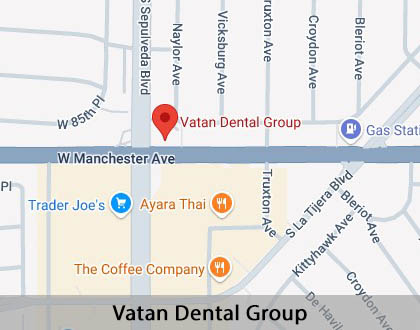

Scan here to visit Vatan Dental Group on mobile

Dental Terminology
- Cosmetic Dentistry
- Cosmetic dentistry is generally used to refer to any dental work that improves the appearance (though not necessarily the function) of a person's teeth, gums and/or bite.
- Decay
- Tooth decay is when the enamel of the tooth begins to decay and cause erosion from plaque and tartar on the teeth.
- Dental Caries
- Dental caries are also known as cavities and result from a lack of proper oral hygiene leaving plaque that forms tiny holes in the teeth.
- Dental Checkup
- A dental checkup is an appointment that involves cleaning the teeth, identifying any signs of infection and removing said signs of infection at least once every six months in the office.
- Dental Filling
- A dental filling involves restoring the structure of the tooth by using metal, alloy, porcelain or plastic to fill the tooth.
- Dental Prophylaxis
- A dental prophylaxis is a professional and detailed cleaning that involves the removal of plaque, calculus and stains from the teeth.
- Dental Sealants
- Dental sealants contain a resinous material that we apply to the chewing surfaces of the posterior teeth to prevent dental caries.
- Dentist
- A dentist, also known as a dental surgeon, is a doctor who specializes in the diagnosis, prevention, and treatment of diseases and conditions of the oral cavity.
- Gingivitis
- Gingivitis is the inflammation of gum tissue that results from plaque, other infections in the mouth and poor oral hygiene.
- Preventive Dentistry
- Preventive dentistry is the dentistry that focuses on maintaining oral health in order to prevent the spread of plaque, the formation of tartar and infections in the mouth.
- Tartar
- Tartar forms when plaque builds up on the surface of the teeth and calcifies into a hard surface that is much more difficult to remove and will require professional treatment.
- Tooth Enamel
- Tooth enamel is the protective visible outer surface of a tooth that contains the dentin and dental pulp.
Helpful Related Links
- American Dental Association (ADA). Glossary of Dental Clinical Terms. 2025
- American Academy of Cosmetic Dentistry (AACD). Home Page. 2025
- WebMD. WebMD's Oral Care Guide. 2025
About our business, license, and website security
- Vatan Dental Group was established in 2012.
- We accept the following payment methods: American Express, Cash, Check, Discover, MasterCard, and Visa
- We serve patients from the following counties: Los Angeles County
- We serve patients from the following cities: Los Angeles, Inglewood, Westchester, Marina del Rey, Playa del Rey, Playa Vista, Culver City, Fox Hills, Hawthorne, El Segundo and Santa Monica
- CA (License #49259). View License Information and Specifics
- National Provider Identifier Database (1740278662). View NPI Registry Information
- Norton Safe Web. View Details
- Trend Micro Site Safety Center. View Details

Scan here to open directions to Vatan Dental Group on mobile