

Reasons for Tooth Extraction
Teeth may require extraction if they have suffered damage beyond repair, either through trauma or decay. Other factors that may necessitate tooth extraction include overcrowding, infection, and risk of infection. Typically, tooth extraction for overcrowding occurs when preparing the mouth for braces. Braces are meant to realign the teeth, meaning teeth must have adequate space to move around. A tooth extraction may also occur as part of the orthodontic process if there are teeth that do not have enough room to erupt through the gum.
Teeth may become infected when decay or damage extends to the pulp (the nerves and blood vessels at the center of the tooth). Root canal therapy is often enough to treat this problem. However, tooth infections may become severe enough to require extraction and prevent them from spreading any further. Patients who are immunocompromised may need to have teeth removed even if they are just at risk of infection.
“ Teeth may require extraction if they have suffered damage beyond repair, either through trauma or decay.”
Preparing for an Extraction
Before setting an extraction appointment, we typically perform a thorough physical examination and consultation. There are various factors that can impact an extraction, including general health conditions, diseases, and prior or future treatments/procedures. Once we determine that the patient is a good candidate for extraction, we will set the appointment and provide guidelines for before and after the procedure.
Preparation for an extraction depends on the type of procedure: simple or surgical. A simple extraction for easily visible and accessible teeth involves a local anesthetic which will only numb the extraction area. A surgical extraction is generally for teeth that are below the gumline and require small incisions to reach. In most surgical extractions, an IV or general anesthesia will help keep the patient calm and relaxed throughout the often lengthy procedure.
“Preparation for an extraction depends on the type of procedure: simple or surgical.”
What to Expect During Tooth Extraction
Before the procedure, the dentist will inject the patient with an anesthetic to numb the area from which they will be removing the tooth. As a result, patients will feel no pain throughout the extraction. Extraction of an impacted tooth will involve cutting away any gum and bone tissue covering the tooth. Since blood clots usually follow extraction, patients may have to bite down on a gauze pad packed to stop the bleeding. We may also place some sutures over the extraction site to assist in closing the gum edges.
“Before the procedure, the dentist will inject the patient with an anesthetic to numb the area from which they will be removing the tooth.”
Post-Extraction Care
Following any extraction procedure, we provide patients with after-care instructions for a safe and fast recovery. The blood clot present after an extraction is intended to keep the site covered and prevent dry mouth or dry socket. Furthermore, the initial gauze placed after the extraction should be kept in the mouth for a few hours to help with forming the blood clot.
After the first few hours, the numbing agent will start wearing off. Patients are prescribed pain killers, antibiotics, and anti-inflammatory medications to alleviate discomfort and help fight infection. It is important to avoid rinsing, spitting, sneezing, smoking, using straws, and blowing the nose until the extraction site has healed. The extraction site must remain clean at all times by changing the gauze and using a saltwater solution. Merely have the saltwater clean the site; do not rinse harshly.
“It is important to avoid rinsing, spitting, sneezing, smoking, using straws, and blowing the nose until the extraction site has healed.”
Questions Answered on This Page
Q. Do I need a tooth extraction?
Q. What happens during a tooth extraction procedure?
Q. How does a dentist prepare a tooth for extraction?
Q. What should I do after a tooth extraction?
Q. What are possible risks and side effects of a tooth extraction?
People Also Ask
Q. Why is stopping infection from spreading important?
Q. What if a crown or root canal cannot save my cracked tooth?
Q. How do lifestyle choices affect dental health?
Q. How can I prepare for an extraction?
Q. What are some of the reasons one might need a tooth extraction?
Possible Risks and Side Effects
There are general side effects that result after a tooth extraction, such as inflammation, swelling, and pain or discomfort. These symptoms often dissipate on their own over the first few days. However, some cases of extraction can result in complications, and it is a good idea to know them before deciding to undergo an extraction.
One of the most common risks of extraction is dry socket, which occurs when a blood clot does not form or is dislodged, exposing the bone underneath. Dry sockets can delay healing, progress infection, and aid in the development of chronic bone infection or osteomyelitis. Other possible risks of a tooth extraction include the bite collapsing (in cases of more than one tooth extracted), osteoradionecrosis (death of underlying bone), nerve injury, and maxillary sinus exposure (a hole exposing the sinus).
“One of the most common risks of extraction is dry socket, which occurs when a blood clot does not form or is dislodged, exposing the bone underneath.”
Frequently Asked Questions
Q.How long does the pain last after an extraction?
A.Recovering from an extraction varies from patient to patient, but healing time generally lasts from one to two weeks. Pain stemming from the extraction site may be present for the first 48-72 hours, but patients should take their medications as prescribed to reduce pain and aid with healing. Patients experiencing pain that lasts longer than two weeks should immediately call us to schedule a follow-up appointment.
Q.Will I need any other appointments following the extraction procedure?
A.In most cases, we like to schedule a follow-up appointment with all patients who have undergone an extraction. Whether the procedure was minor or severe, blood clots can dislodge without a patient realizing, and other complications may not exhibit signs. During the follow-up, we will check the extraction site, clean it thoroughly, and discuss possible tooth replacement options.
Q.Are wisdom teeth always extracted?
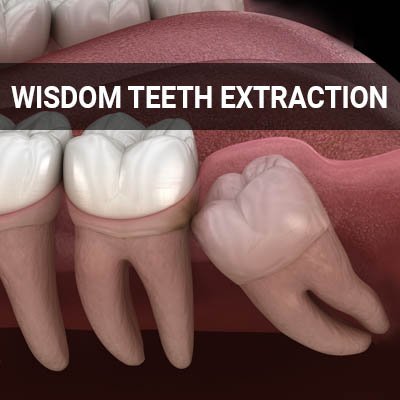
A.Wisdom teeth only need to be extracted when they are impacted, causing pain or pressure, or are pushing inwards to the neighboring teeth. In most cases, these signs are evident when the wisdom teeth first erupt, but they may become apparent later in adulthood as well. We will discuss whether a patient should remove their wisdom teeth when it becomes necessary.
Q.How much do extractions cost?
A.Each extraction procedure is different and will vary in cost. We encourage patients to speak with their insurance provider to better understand their plan and coverage. We can also work with patients to figure out a payment option that works best for them.
Q.What happens if I have a complication after an extraction?
A.Most complications that arise after an extraction can be treated. In cases of dry socket, we can thoroughly flush out the infection and apply a medicated dressing to seal the hole. For other complications, there may be a treatment or surgery that follows to treat the condition and keep the oral cavity healthy.
Quality Dental Services Can Transform Your Smile
By visiting us as soon as possible, our team can help get you the professional treatment you need. Instead of waiting around and allowing the symptoms to get worse, we can provide you with treatment options.
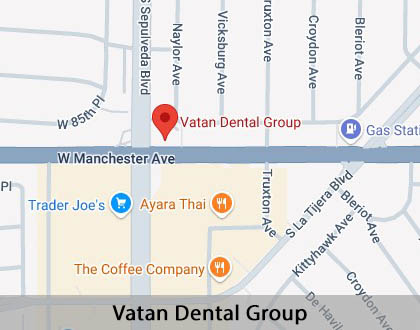

Scan here to visit Vatan Dental Group on mobile

Dental Terminology
- Cosmetic Dentistry
- Cosmetic dentistry is generally used to refer to any dental work that improves the appearance (though not necessarily the function) of a person's teeth, gums and/or bite.
- Decay
- Tooth decay is when the enamel of the tooth begins to decay and cause erosion from plaque and tartar on the teeth.
- Dental Caries
- Dental caries are also known as cavities and result from a lack of proper oral hygiene leaving plaque that forms tiny holes in the teeth.
- Dental Checkup
- A dental checkup is an appointment that involves cleaning the teeth, identifying any signs of infection and removing said signs of infection at least once every six months in the office.
- Dental Filling
- A dental filling involves restoring the structure of the tooth by using metal, alloy, porcelain or plastic to fill the tooth.
- Dental Prophylaxis
- A dental prophylaxis is a professional and detailed cleaning that involves the removal of plaque, calculus and stains from the teeth.
- Dental Sealants
- Dental sealants contain a resinous material that we apply to the chewing surfaces of the posterior teeth to prevent dental caries.
- Dentist
- A dentist, also known as a dental surgeon, is a doctor who specializes in the diagnosis, prevention, and treatment of diseases and conditions of the oral cavity.
- Gingivitis
- Gingivitis is the inflammation of gum tissue that results from plaque, other infections in the mouth and poor oral hygiene.
- Preventive Dentistry
- Preventive dentistry is the dentistry that focuses on maintaining oral health in order to prevent the spread of plaque, the formation of tartar and infections in the mouth.
- Tartar
- Tartar forms when plaque builds up on the surface of the teeth and calcifies into a hard surface that is much more difficult to remove and will require professional treatment.
- Tooth Enamel
- Tooth enamel is the protective visible outer surface of a tooth that contains the dentin and dental pulp.
Learn More Today
For many patients, tooth extraction can help reverse the damage done by trauma and decay. We at Vatan Dental Group may be able to help. Call us today at (310) 906-1300 to learn more and schedule an appointment.
Request AppointmentHelpful Related Links
- American Dental Association (ADA). Glossary of Dental Clinical Terms. 2025
- American Academy of Cosmetic Dentistry (AACD). Home Page. 2025
- WebMD. WebMD's Oral Care Guide. 2025
About our business, license, and website security
- Vatan Dental Group was established in 2012.
- We accept the following payment methods: American Express, Cash, Check, Discover, MasterCard, and Visa
- We serve patients from the following counties: Los Angeles County
- We serve patients from the following cities: Los Angeles, Inglewood, Westchester, Marina del Rey, Playa del Rey, Playa Vista, Culver City, Fox Hills, Hawthorne, El Segundo and Santa Monica
- CA (License #49259). View License Information and Specifics
- National Provider Identifier Database (1740278662). View NPI Registry Information
- Norton Safe Web. View Details
- Trend Micro Site Safety Center. View Details

Scan here to open directions to Vatan Dental Group on mobile