

Symptoms of a Cracked Tooth
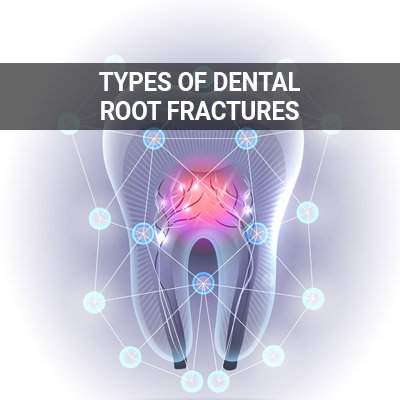
A cracked tooth can come in many forms — ranging from cracks on just the outer surface of the tooth enamel to fractures that extend into the root. These cracks are often too small to be noticed with the naked eye, and even X-rays may not be sufficient. Our dentist may use other methods such as dental dye or a magnifying lens to diagnose a cracked tooth.
The symptoms can vary depending on the type of crack and its severity. However, several warning signs reveal a cracked tooth, including:
- A small bump on the gum line, indicating an infection
- Inconsistent pain
- Increased sensitivity to hot and cold foods and liquids
- Tooth pain when biting or chewing
- Unusual discomfort around the teeth and gums
These symptoms can also indicate another oral health issue. Our dentist will do a thorough exam to rule out any other conditions. Once diagnosed, we will discuss treatment options, including crown and root canal procedures, as necessary.
“A cracked tooth can come in many forms — ranging from cracks on just the outer surface of the tooth enamel to fractures that extend into the root.”
Cracked Tooth Syndrome (CTS)
Cracked tooth syndrome, abbreviated to CTS for short, is a condition in which a patient has a crack in their tooth that is too small to be seen on an X-ray. Alternatively, the patient's tooth may have a crack that is difficult to locate due to it being under the gum. CTS most commonly affects molars, and its most common symptoms include tooth sensitivity and pain or discomfort when biting down. CTS pain is unlike cavity pain in that it is not persistent; instead, it comes and goes intermittently.
There is no singular cause of CTS. However, specific populations may be more prone to CTS than others. Patients with malocclusions that cause them to put excess pressure on one tooth, patients who grind or clench their teeth, patients with large fillings, or patients who have undergone root canal treatment are all more likely to have CTS than their counterparts. Furthermore, as CTS is also one of the most challenging dental problems to diagnose, patients may experience unexplained symptoms for months.
“...as CTS is also one of the most challenging dental problems to diagnose, patients may experience unexplained symptoms for months.”
Cracked Teeth & Root Canals
As stated by MedicalNewsToday, the best treatment method for a cracked tooth is dependent on its location and the extent of its damage. Some, like teeth with tiny cracks that do not cause any pain or discomfort, may be minor enough to not require treatment. Minor treatment options include glue, plastic resin (also known as bonding), fillings, or crowns. For more severe cases, root canal treatment may be necessary.
During a root canal procedure, the endodontist removes any infected or inflamed pulp. They then clean and shape the inside of the root canal before filling it. Afterward, a crown is placed on the tooth's cap to protect and fully restore its functionality. Once restored, the treated tooth will continue to function as any other natural tooth.
“... the best treatment method for a cracked tooth is dependent on its location and the extent of its damage.”
When a Cracked Tooth Is Beyond Repair
Cracked teeth that are not treated in time may eventually cause pulp necrosis, a condition in which the tissue inside the teeth dies. This may set off a domino effect of disastrous effects on one's oral and overall health, including total teeth loss. Teeth may be totally beyond repair if the crack extends below the gum line. At that point, tooth extraction will become the only viable option.
Though today's tooth replacement options are better than ever, it is still best to save a natural tooth whenever possible. Accordingly, patients should seek endodontic help as soon as they suspect they may have a cracked tooth. Early detection is critical for proper and effective treatment, and endodontic surgery may be adequate for more severe cases. Vatan Dental Group can help determine what is best for each patient on a case-by-case basis.
“Early detection is critical for proper and effective treatment, and endodontic surgery may be adequate for more severe cases.”
Questions Answered on This Page
Q. Am I at risk for cracked tooth syndrome (CTS)?
Q. How can a root canal help save my cracked tooth?
Q. What if a crown or root canal cannot save my cracked tooth?
Q. What are the symptoms of a cracked tooth?
Q. What are the post-care instructions?
People Also Ask
Q. What is it like to go through the process of receiving a dental crown?
Q. Are there signs that indicate I need for a root canal?
Q. What are the services offered endodontists vs. general dentist?
Q. What are the types of restorative treatments?
Q. What is entailed in the process before getting a dental crown?
Post-Care Instructions
After the cracked tooth gets fixed, patients will need to continue regular dental checkups and practice good oral hygiene with regular brushing and flossing. This is true whether the tooth got fixed via a root canal or crown. Root canals have a very high success rate, and many teeth fixed using this procedure can last a lifetime. Unlike broken bones, a crack in a tooth will never completely heal, so if patients start to experience any discomfort, it is time to make an appointment to see our dentist.
“After the cracked tooth gets fixed, either through a root canal treatment or with a crown, patients will need to continue regular dental checkups and practice good oral hygiene with regular brushing and flossing.”
Frequently Asked Questions
Q.How do I know if I have a cracked tooth?
A.A cracked tooth mimics the symptoms of many other dental issues. However, you may experience discomfort when you bite down or be sensitive to hot and cold foods. Do not ignore these symptoms. The sooner a cracked tooth is diagnosed and treated, the better.
Q.What can I do to keep my teeth from cracking?
A.It is difficult to avoid cracked teeth; still, you can do some things to reduce your chances. Do not chew on hard objects like ice or pens, look into a mouthguard if you clench or grind your teeth, and wear a mouthguard while playing contact sports.
Q.Could I have cracked tooth syndrome (CTS)?
A.Cracked tooth syndrome is when the crack on the tooth is not detected on an X-ray or resides under the gums. Since the crack is hard to see, many people may suffer for months before seeking help. Our dentist will utilize many different methods to help diagnose CTS.
Q.Why does a cracked tooth hurt?
A.Inside the tooth is a soft connective tissue called the pulp. This pulp contains cells, blood vessels, and nerves. Pulp may become irritated when the outer hard tissues of the tooth are cracked and chewing causes movement of the broken pieces.
Quality Dental Services Can Transform Your Smile
By visiting us as soon as possible, our team can help get you the professional treatment you need. Instead of waiting around and allowing the symptoms to get worse, we can provide you with treatment options.
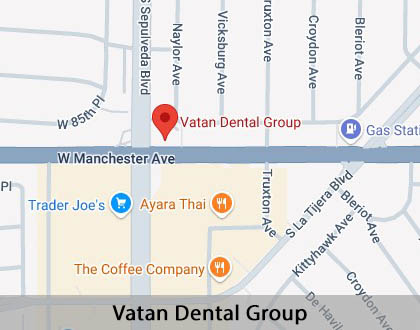

Scan here to visit Vatan Dental Group on mobile
Dental Terminology
- Cementum
- Cementum is that bone-like tissue that forms the outer surface on the root of the tooth.
- Dental Pulp
- Dental pulp is the inner-most layer of the tooth with connective tissue that contains blood vessels and nerve tissue.
- Dentin
- Dentin is the inner layer of the tooth structure that is immediately under the enamel and surrounds the dental pulp.
- Direct Pulp Cap
- A direct pulp cap is a procedure in which a professional treats exposed pulp with a therapeutic material to help the tooth heal.
- Enamel
- The enamel is the hard calcified layer that covers the entire tooth and is subject to interaction with multiple substances.
- Endodontist
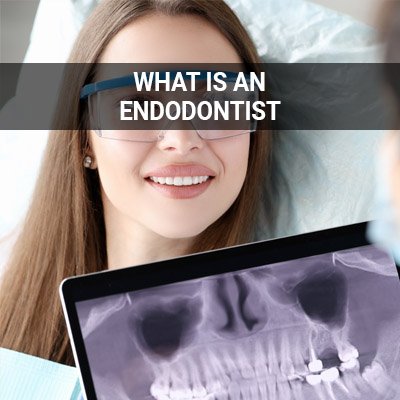
- An endodontist is a specialist who focuses on treating issues, diseases and conditions that affect the inner-most layer of the tooth, the dental pulp.
- Pulpectomy
- A pulpectomy is a procedure that involves the complete removal of pulp tissue from the root canal in a tooth.
- Pulpitis
- Pulpitis is another term to describe the inflammation of the dental pulp due to an injury or infection.
- Pulpotomy
- A pulpotomy is a procedure involving the removal of a portion of diseased or infected pulp in order to protect the healthy portions of the pulp and teeth still in the mouth.
Helpful Related Links
- American Dental Association (ADA). Glossary of Dental Clinical Terms. 2025
- American Academy of Cosmetic Dentistry (AACD). Home Page. 2025
- WebMD. WebMD's Oral Care Guide. 2025
About our business, license, and website security
- Vatan Dental Group was established in 2012.
- We accept the following payment methods: American Express, Cash, Check, Discover, MasterCard, and Visa
- We serve patients from the following counties: Los Angeles County
- We serve patients from the following cities: Los Angeles, Inglewood, Westchester, Marina del Rey, Playa del Rey, Playa Vista, Culver City, Fox Hills, Hawthorne, El Segundo and Santa Monica
- CA (License #49259). View License Information and Specifics
- National Provider Identifier Database (1740278662). View NPI Registry Information
- Norton Safe Web. View Details
- Trend Micro Site Safety Center. View Details

Scan here to open directions to Vatan Dental Group on mobile