

Performing Periodontal Probing
Dentists insert a periodontal probe (a thin measuring instrument) into the space between the gum tissue and each of the teeth (called the pocket). The tool measures the depth of that pocket. A healthy pocket depth is between 1 to 3 mm of depth.
If the dentist discovers pocket depths above 4 mm during periodontal probing or if the gums bleed during the procedure. In this case, these signs could tell the dentist that a person has gum disease or periodontal disease. If pockets are deeper than 5 mm, it will be harder to keep teeth and gums clean. At this point, the dentists may recommend additional interventions.
“If pockets are deeper than 5 mm, it will be harder to keep teeth and gums clean.”
Periodontal Charting and What It Reveals
Periodontal charting is the portion of a dental record that tracks oral health over time. It includes a patient's recorded pocket depths, as well as signs of receding or bleeding gums, and a recording of where a patient's teeth attach to the gums.
Periodontal charting also records cavities, missing or rotated teeth, and the health of tooth enamel. The chart should also record tooth movement or damage, as well as any fillings, crowns, implants, or bridges in the mouth. At every visit, the dentist will update a patient's periodontal chart to determine the current state of that patient's oral health. This will help patients identify any warning signs that gum disease may be progressing.
“Periodontal charting is the portion of a dental record that tracks oral health over time.”
Risk Assessment That Dentist Makes
Periodontal probing and charting allow dentists to assess a patient's risk of acquiring periodontal disease as well as other oral and systemic diseases. A Journal of Periodontology study on risk factors explains: "risk factors may be broadly categorized as: Systemic risk factors - factors that affect the host response to the plaque biofilm, upsetting the host-microbial balance; and Local risk factors - factors local to the oral cavity, which may influence plaque accumulation or occlusal forces." A periodontal chart reveals which factors are in play and their causes.
Risk assessments classify risks in terms of risk factors, risk indicators, and risk predictors. Risk factors include age, tobacco use, diabetes, stress, genetics, pregnancy, cardiovascular diseases, and poor oral hygiene. Risk indicators indicate whether visible risk factors, such as the presence of herpes viruses in subgingival plaque, are cause of an oral or systemic condition. Risk predictors are factors that have no current biological causing agent but have been associated with disease. For example, the number of missing teeth is a risk predictor for disease but may not indicate current periodontitis.
“A periodontal chart reveals which factors are in play and their causes.”
Candidates for Periodontal Testing
Current guidelines suggest all adults should receive a comprehensive periodontal evaluation, or CPE, each year. In addition to interactive periodontal probing, dentists should examine teeth, bite, tongue, gums, and lifestyle factors that could contribute to periodontal risks.
If risk assessments suggest a patient's risk is high, you may need more than one periodontal probe each year. Any of these factors could indicate the need for more frequent testing:
- Gingivitis
- Frequent cavities
- Smoking or vaping
- Pregnancy
- Menopause
- Obesity
- Medications that change your oral health
- Decreased immunity
- Diabetes, rheumatoid arthritis, and Crohn's disease
“All adults should receive a comprehensive periodontal evaluation, or CPE, each year.”
Questions Answered on This Page
Q. What is a risk assessment and what does it show?
Q. How is the periodontal probing performed?
Q. What does periodontal charting reveal?
Q. Who are candidates for periodontal testing?
People Also Ask
Q. What should a home oral care routine include?
Q. What are common signs of gum disease?
Q. How is gum recession treated?
Frequently Asked Questions
Q.When should I receive periodontal probing?
A.The answer depends on the patient. Current guidelines suggest healthy adults receive annual periodontal probing to reduce the risk of gum disease. Patients whose dentists identified higher risk assessment factors may need more frequent periodontal probing to prevent oral health complications.
Q.Will periodontal probing hurt?
A.If you already have periodontal disease, you may experience slight discomfort during periodontal probing. However, little pain is reported during the procedure. If you are concerned about the procedure, you may talk to your dentist about topical numbing creams.
Q.Does periodontal probing make gums bleed?
A.This procedure is designed to check the health of your gums and assess risk factors, including bleeding gums. If your gums bleed during periodontal probing, it is likely a sign that their health is compromised. Bleeding gums are rarely due to probing alone.
Q.What do I do if I have a high risk for periodontal disease?
A.If periodontal probing reveals that you have pockets over 4 mm, you may need frequent in-office cleanings. At this stage, at-home oral hygiene will be difficult. Your dentist can offer specific recommendations but will likely recommend visits every three to six months to prevent disease progression or tooth decay.
Q.What impact can periodontal disease have on my overall health?
A.It is important to work to prevent and treat periodontal disease. Studies have shown gum disease may increase one's risk of other health problems such as high blood pressure, diabetes, and stroke. Some studies even link periodontal disease to cancer, dementia, arthritis, and kidney disease.
Quality Dental Services Can Transform Your Smile
By visiting us as soon as possible, our team can help get you the professional treatment you need. Instead of waiting around and allowing the symptoms to get worse, we can provide you with treatment options.
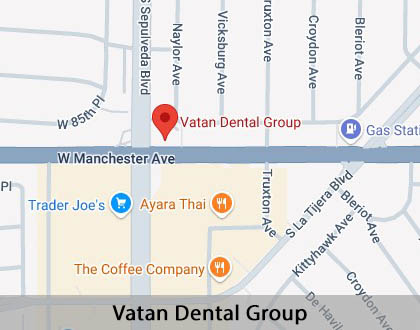

Scan here to visit Vatan Dental Group on mobile

Dental Terminology
- Bacterial Plaque
- Bacterial plaque is a sticky film consisting of bacteria that coats teeth and can lead to tooth decay without proper oral hygiene.
- Comprehensive Periodontal Evaluation
- A Comprehensive Periodontal Evaluation is a screening that assesses the patient's periodontal health by examining their teeth, amount of plaque, gums, bite, bone structure, and risk factors.
- Dental Caries
- Dental caries are also known as cavities and result from a lack of proper oral hygiene leaving plaque that forms tiny holes in the teeth.
- Functional Dentistry
- Functional dentistry involves a strong focus on identifying the root cause of oral health issues and not just treating the symptoms.
- Gingivitis
- Gingivitis is the inflammation of gum tissue that results from plaque, other infections in the mouth and poor oral hygiene.
- Periodontal Disease
- Periodontal disease is a condition that causes inflammation of the gingival tissues and membrane of the teeth, leading to tooth loss without professional treatment.
- Periodontal Pocket
- A periodontal pocket is a potential area of space, known as a gingival sulcus, which is deeper than normal and can contain bacteria that cause an infection.
- Periodontal Charting
- Periodontal charting is a part of a patient's dental or gum chart that indicates the state of the teeth and mouth's health in order to monitor for periodontal disease and other oral health concerns.
- Pregnancy Gingivitis
- Pregnancy gingivitis is gingivitis that results from the common change in hormones during pregnancy that increases blood flow to the gum tissue, increasing sensitivity, irritability and swelling in the gums.
- Tartar
- Tartar forms when plaque builds up on the surface of the teeth and calcifies into a hard surface that is much more difficult to remove and will require professional treatment.
Call Us Today
If you are looking for more information pertaining to periodontal probing or testing, call us today at (310) 906-1300 to learn more or make an appointment.
Request AppointmentHelpful Related Links
- American Dental Association (ADA). Glossary of Dental Clinical Terms. 2025
About our business, license, and website security
- Vatan Dental Group was established in 2012.
- We accept the following payment methods: American Express, Cash, Check, Discover, MasterCard, and Visa
- We serve patients from the following counties: Los Angeles County
- We serve patients from the following cities: Los Angeles, Inglewood, Westchester, Marina del Rey, Playa del Rey, Playa Vista, Culver City, Fox Hills, Hawthorne, El Segundo and Santa Monica
- CA (License #49259). View License Information and Specifics
- National Provider Identifier Database (1740278662). View NPI Registry Information
- Norton Safe Web. View Details
- Trend Micro Site Safety Center. View Details

Scan here to open directions to Vatan Dental Group on mobile