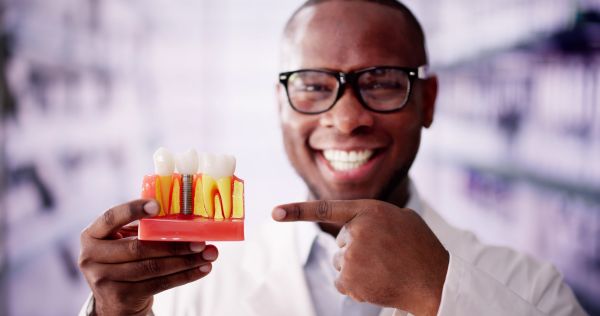
Our guidance can help patients throughout the post-operative care period for dental implants. In most cases, the process is not nearly as complicated as people believe. By following our instructions, we can help patients avoid the risk of infection or irritating the infected area.
Here at our Los Angeles office, we help our dental implant patients through the recovery process, ensuring they make a full and quick recovery. We can also go over proper oral hygiene to keep dental implants in proper condition. To learn more about dental implants and post-operative care, call us at (310) 906-1300 today and schedule an appointment with Vatan Dental Group.
The first 48 hours after the dental implant procedure are usually the most uncomfortable. Patients may experience pain, swelling, nausea, and slight bleeding. Most patients are more comfortable by the third day. Though there may still be some swelling, patients can usually start to eat normally by then. The rest of post-operative period should be a gradual but consistent improvement. If there are no improvements, patients should call the dentist office immediately.
Like with any other surgical procedure, patients may notice certain symptoms after dental implant placement — either immediately or a few days later. The key is to follow post-op instructions to ensure a safe recovery. Common symptoms include:
Bleeding
Nausea
Pain
Swelling
The effect of pain meds is different among patients. If the med does not provide substantial relief immediately, patients can try using it with an analgesic, such as ibuprofen or aspirin. The pain is usually at its peak in the first six hours after the procedure; after that, the pain should reduce considerably.
“The first 48 hours after the dental implant procedure are usually the most uncomfortable.”
The Recovery Process
The recovery process happens in stages, and many can make a full recovery in as little as four weeks. The patient may need to take several days off from work and physical activity during post-operative care, while the swelling and discomfort are at their worst. Most return to eating normally within two weeks, which is about the same time swelling, bleeding, and overall discomfort should start to go away.
There is little discomfort associated with dental implants, but the side effects may vary slightly for each patient. However, there are certain side effects patients can expect during post-operative care. Several of the more prominent and notable side effects include:
Pain and swelling: The dentist will provide ways to minimize discomfort, but there will be some pain and gum swelling for the first few weeks of post-op care.
Minor bleeding: While it is possible to keep bleeding at a tolerable level by avoiding irritation of the implant site, some occasional minor bleeding may occur.
Difficulty chewing: Dietary restrictions (see below) are necessary for the first few post-op care weeks.
Restricted movement: Swelling and discomfort often restrict jaw movement during the recovery process.
Most side effects are minor and go away within the first few weeks of post-op care. Talk to your dentist if more severe side effects develop.
“The recovery process happens in stages, and many can make a full recovery in as little as four weeks.”
Post-op Follow-up Appointments
Your dentist should schedule one or more follow-up appointments after the day of surgery. You must attend all of these appointments. The number of appointments and the type of aftercare applied will depend on the treatment plan agreed upon by you and your provider.
Dental implants must be checked on regularly because there are so many elements to monitor. First, the dentist must check to ensure the implant is attaching to the jawbone properly and that there is no inflammation or signs of infection. Also, there is a slightly higher risk of gum disease in those with dental implants, leading to implant failure, among other problems. Your dentist will want to catch it early to prevent it from becoming a more serious issue.
“Dental implants must be checked or regularly because there are so many elements to monitor.”
How to Make a Quick Recovery and Return to a Regular Routine
If patients are looking to speed up the recovery process, there are some things not to do. Do not drink through a straw as the suction could irritate the wound and slow recovery. Smoking can slow healing by depriving your body of vital oxygen needed for recovery. Other vices to avoid include caffeine and alcohol. Drink water instead because staying hydrated will speed recovery.
Besides practicing good oral hygiene, there are a few things one can do to aid in recovery. Patients can use ice packs to help reduce swelling. By day two and after, saltwater rinses will help keep bacteria away.
“Besides practicing good oral hygiene, there are a few things one can do to aid in recovery.”
After the dental implant procedure, one's diet should consist primarily of nutritious food that can be eaten painlessly. Avoid eating extremely hot foods and avoid straws for a few days following the procedure. In the first few days, it is preferable (though not compulsory) to stick to liquids or pureed foods, such as puddings, soups, yogurts, and milkshakes.
Similarly, it is best to shun foods that may get stuck around the implant area, such as sunflower seeds, rice, nuts, and popcorn. However, patients can gradually return to solid foods as healing progresses. While eating may be uncomfortable, it is important to not skip meals, as nourishment is crucial for strength and recovery. Diabetic patients can maintain their meal routines or ask the doctor for instructions.
It is also vital to start proper oral hygiene as soon as possible after the procedure. Due to the swelling and soreness, it may be challenging to brush vigorously, meaning patients may need to brush within the acceptable limits of comfort. Ideally, however, patients should brush the night after the procedure, being careful around the treatment site.
If there is any minor bleeding or oozing, patients should start cleaning their mouth with saltwater rinses 24 hours after the procedure. Mildly swish the saltwater around in the mouth and let it drip into the sink. Repeat this twice or thrice daily, usually after eating. Keeping the area around the implant site clean is important for optimal and quick healing.
“After the dental implant procedure, one's diet should consist primarily of nutritious food that can be eaten painlessly.”
Frequently Asked Questions
Q.When will it be safe for me to return to work after my dental implant procedure?
A.You can expect any swelling and soreness to last for three to five days; therefore, it is advisable to undergo surgery towards the week's end, so you can take a work break to recover. Generally, if you had the procedure on a Thursday, you can expect to return to work by Tuesday.
Q.Is there anything that can hinder the post-op recovery process?
A.Patients with uncontrolled diabetes may have complications with recovery. Patients who smoke may also be at increased risk of infection and hindered healing. Talk to your dentist about any preexisting conditions that may affect recovery.
Q.What is post-operative care like after getting the final tooth?
A.The invasive part of the procedure occurs during implant placement. Once the jaw heals around the implant, attaching the final tooth is a lot easier. Aside from some minor gum sensitivity, which can be managed with ibuprofen, there is no significant recovery process.
Q.How can I avoid infection after my dental implants procedure?
A.Keep your mouth clean whenever possible, beginning the day after surgery. Brush with a soft-bristled toothbrush and fluoridated toothpaste after meals and before bedtime. Stop any bleeding by applying gauze to the treatment area. Finally, do not rinse your mouth directly after surgery.
Quality Dental Services Can Transform Your Smile
By visiting us as soon as possible, our team can help get you the professional treatment you need. Instead of waiting around and allowing the symptoms to get worse, we can provide you with treatment options.
An abutment is a component that attaches to the dental implant so a professional can place a dental crown to provide patients with an artificial, aesthetically pleasing and fully-functional smile.
Analgesics
Analgesics are any number of painkillers or drugs that help to relieve pain and achieve a state known as analgesia.
Antibiotics
Antibiotics can include a variety of antibacterial medications that treat different forms of bacterial infections.
Bridge
Multiple replacement teeth that are fixed in place via attachment to dental implants, natural adjacent teeth, or a combination of the two.
Bone Graft
A bone graft is a surgical procedure replacing missing bone to repair bone fractures and other issues.
Bruising
Bruising can occur on the enamel of the teeth from a variety of factors including clenching the teeth, biting nails, grinding teeth at night or an infection.
Chlorohexidine
Chlorhexidine is a common type of prescription mouthwash that dentists use to help patients clean their teeth.
Dental Crown
A crown is an artificial tooth, usually consisting of porcelain, which covers the top of the implant to provide people with an aesthetically pleasing and fully-functional tooth.
Dental Implant
A dental implant is an artificial tooth root that is placed into your jaw to hold a replacement tooth or bridge. Dental implants may be an option for people who have lost a tooth or teeth due to periodontal disease, an injury, or some other reason.
Dissolvable Stitches
Dissolvable (absorbable) stitches will close wounds or surgical openings that professionals make inside the body. These stitches will eventually break down over time without causing harm to the body.
Endosteal (endosseous)
Endosteal is a type of dental implant that a professional places in the alveolar and basal bone of the mandible that transcends only one cortical plate.
Eposteal (subperiosteal)
Eposteal is a type of dental implant that conforms to whichever edentulous surface of an alveolar bone is superior.
Gingiva
Gingiva is another term that refers to the gum tissue in the mouth that surrounds the teeth.
Implant-Supported Bridge
An implant-supported bridge is a dental bridge that professionals fix in place with the use of dental implants inserted in the jaw to create a sturdy set of artificial teeth.
Local Anesthetic
Local anesthetic is anesthesia that dental professionals apply to one specific spot, such as the upper/lower lip or gums.
Osseointegration
Osseointegration is the process in which a titanium dental implant fuses with the surrounding bone over several months after an oral health professional places the implant in the jaw.
Periodontal
Literally "around the tooth"
Resorption
Resorption is the process in which the body absorbs the calcium from the jaw since there are no tooth roots to cause the necessary stimulation and proceeds to use the calcium in other areas.
Smoking and Implant Failure
Smoking can be a direct result of dental implant failure and one of the many reasons that people need to seek implant restorations.
Swelling
When the gums are infected or inflamed, swelling is likely to occur. It is important to seek professional treatment to remedy swelling gums.
Transosteal (transosseous)
Transosteal is a type of dental implant that includes threaded posts which penetrate the superior and inferior cortical bone plates of the jaw.
Call Us Today
We enjoy helping our dental implant patients through every treatment stage, from the initial consultation to post-operative care. Call us at (310) 906-1300 today to schedule a visit with us and learn more about the treatment and post-operative care process for dental implants.
We accept the following payment methods: American Express, Cash, Check, Discover, MasterCard, and Visa
We serve patients from the following counties: Los Angeles County
We serve patients from the following cities: Los Angeles, Inglewood, Westchester, Marina del Rey, Playa del Rey, Playa Vista, Culver City, Fox Hills, Hawthorne, El Segundo and Santa Monica
Dental implants are an innovative solution for replacing missing or damaged teeth, offering a long-term restoration that blends seamlessly with natural tooth structure. These implants rely on integration with the jawbone for stability and functionality. After receiving a dental implant,
Dental implants provide a long-term solution for missing teeth, offering functional and aesthetic benefits. Designed to mimic natural teeth, they help restore the ability to chew, speak, and smile with confidence. The process of receiving dental implants involves multiple stages,
Dental implants often beat out other tooth replacements due to their natural appearance and durability. Although getting them can be a lengthy process, many patients find it a worthwhile one. Proper preparation can contribute to a smooth experience and optimal