

Understanding Mini Dental Implants
You can achieve a more attractive smile, address oral health concerns, and improve overall mouth function through teeth replacement with mini dental implants. Mini dental implants are a type of dental implant that is used to support dentures, bridges, or a crown. Implants and mini dental implants are available at Vatan Dental Group in Los Angeles and the surrounding area. You can learn more about mini dental implants and what steps are involved in the treatment process during your initial consultation.
The greatest difference between mini implants and traditional implants is size, giving them their name. In most cases, traditional dental implants are typically between 4 and 6 mm, whereas mini-implants range from 2 to 3 mm. Placing mini dental implants will also have differences from the traditional procedure. In many cases, the mini dental implant procedure is less invasive.
“In most cases, traditional dental implants are typically between 4 and 6 mm, whereas mini-implants range from 2 to 3 mm.”
Eligibility for Mini Dental Implants
When a tooth is lost, bone degeneration commences. If it takes too long before seeking restoration, the patient may have lost too much bone density to support a regular implant. Jawbone atrophy may also be a result of periodontitis (gum disease), teeth misalignment, or damage from a broken or knocked-out tooth. In this case, the dentist may recommend mini dental implants.
Additional cases where the dentist may suggest mini implants include:
- For front teeth restorations
- Premolar replacements
- Teeth positioned in a narrow gap
- For small teeth
- Where a person suffers from a chronic illness, has undergone radiation therapy or smokes heavily.
The only qualified professional that can determine which type of implant is right for you is an experienced implant dentist.
“If it takes too long before seeking restoration, the patient may have lost too much bone density to support a regular implant.”
Benefits of Mini Dental Implants
As mentioned earlier, the most significant benefit of mini dental implants is that it allows patients who have lost a good portion of their jawbone structure to enjoy the benefits of dental implants. Also, those who have endured poorly fitting lower dentures can get four to six mini implants to support the denture. Implant-supported dentures are more comfortable and stable than regular dentures.
Another benefit is that mini dental implants remove the need for major procedures – the placement procedure is relatively easy and non-invasive. Without invasive procedures, the healing time is faster since there are no incisions and suturing. The entire implant restoration procedure takes less time compared to regular dental implants and requires fewer office visits.
Both mini implants and standard implants help to prevent further tooth loss or atrophy. When a tooth is lost, the jawbone loses the stimulation provided by the tooth roots and starts to shrink gradually. Dental implants stimulate the jaw during chewing or biting to keep the bone healthy.
“Both mini implants and standard implants help to prevent further tooth loss or atrophy.”
Drawbacks of Mini Dental Implants
Since mini implants are about half the size of regular implants, two MDIs are sometimes required to provide support comparable to one standard implant. This may induce slightly more stress on the jawbone and may extend healing time due to the different weight distribution.
Mini implants may not be suitable for patients who deal with teeth grinding or clenching. Known as bruxism, this issue typically places undue stress on the teeth and with time, may weaken mini implants. To tackle this, the dentist may recommend wearing a nightguard to protect the implant restoration.
The rubber O-rings on the head of the mini implants will require replacement when they loosen or wear out. The frequency of replacement typically depends on how often the patient removes and replaces their dentures.
“The rubber O-rings on the head of the mini implants will require replacement when they loosen or wear out.”
Questions Answered on This Page
Q. When should I consider mini dental implants?
Q. How do I choose between traditional and mini dental implants?
Q. What are eligibility requirements for mini dental implants?
Q. What are the benefits of mini dental implants?
Q. What are the drawbacks of mini dental implants?
People Also Ask
Q. Who is a good candidate for dental implants?
Q. What happens after the procedure?
Q. How do dental implants compare to dentures?
Q. Who are the right candidates for teeth replacement?
Q. What can patients do to reduce their anxiety about receiving a dental implant?
Q. What dietary and lifestyle changes do I need to make after my dental implant procedure?
Choosing Between Implants and Mini Dental Implants
Implants are often best for replacing a single tooth, where mini dental implants are perhaps preferable when looking to support dentures. However, every patient is unique and should evaluate the pros and cons of each option, along with discussing the steps involved in the process with a dentist before making a final decision.
A dental professional can place mini dental implants in the jaw, similar to that of a traditional dental implant. Mini dental implants are the only dental restoration option that preserves natural bone. With that said, traditional implants typically require more bone density than mini implants to ensure a secure hold long-term.
How to Choose the Most Effective Option for You
While traditional implant placement is not as invasive, there are similarities. Both options require accessing the jaw and placing the implant into the bone, but mini dental implants do not require as much support. However, mini implants may not provide as secure a hold. Although the placement of the artificial tooth happens sooner, and the recovery time is generally much quicker with mini dental implants.
Your dentist may recommend one option over the other depending on the amount of bone density you currently have. Mini dental implants are possibly an option at times when traditional implants are not. If both are viable long-term solutions, then the patient's preference will likely be the deciding factor.
“Mini dental implants are the only dental restoration option that preserves natural bone.”
Frequently Asked Questions
Q.Are there differences between implants and mini dental implants in terms of durability?
A.Dental implants are created from titanium, a biocompatible metal that fuses with the jawbone. Both options are highly durable, but their lifespan typically depends on the level of care provided. By brushing, flossing, and visiting the dentist regularly, you can keep your oral cavity and implants in excellent condition for a long time.
Q.Will mini dental implants be as strong as my natural teeth?
A.In most cases, mini implants have the same strength – if not more – than natural teeth. Mini implants provide full dental functionality and patients will be able to eat all their favorite meals. However, you need to be careful since implant restorations are just as vulnerable to damages as natural teeth.
Q.Is the placement procedure painful?
A.Many patients often register their surprise when they realize the convenience of the implant procedure. If you suffer from dental anxiety, you should talk to the dentist. They will discuss options to keep you as comfortable as possible throughout the procedure.
Q.How long does recovery take?
A.With mini dental implants, you can return to your routine almost immediately. The procedure is minimally invasive, which allows for fairly fast healing. In the first 24 hours after the procedure, you may need to take only soft foods and follow your dentist's instructions for a full recovery.
Quality Dental Services Can Transform Your Smile
By visiting us as soon as possible, our team can help get you the professional treatment you need. Instead of waiting around and allowing the symptoms to get worse, we can provide you with treatment options.
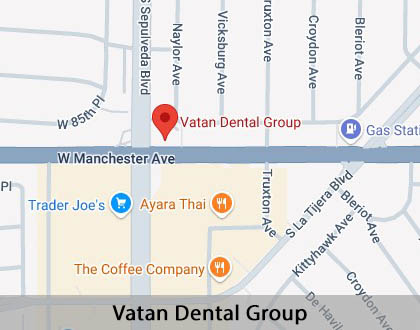

Scan here to visit Vatan Dental Group on mobile
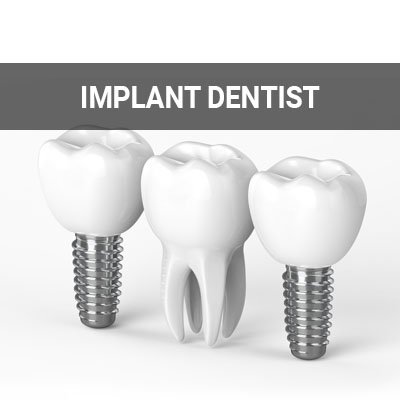
Dental Implant Terminology
- Abutment
- An abutment is a component that attaches to the dental implant so a professional can place a dental crown to provide patients with an artificial, aesthetically pleasing and fully-functional smile.
- Bridge
- Multiple replacement teeth that are fixed in place via attachment to dental implants, natural adjacent teeth, or a combination of the two.
- Dental Crown
- A crown is an artificial tooth, usually consisting of porcelain, which covers the top of the implant to provide people with an aesthetically pleasing and fully-functional tooth.
- Dental Implant
- A dental implant is an artificial tooth root that is placed into your jaw to hold a replacement tooth or bridge. Dental implants may be an option for people who have lost a tooth or teeth due to periodontal disease, an injury, or some other reason.
- Endosteal (endosseous)
- Endosteal is a type of dental implant that a professional places in the alveolar and basal bone of the mandible that transcends only one cortical plate.
- Eposteal (subperiosteal)
- Eposteal is a type of dental implant that conforms to whichever edentulous surface of an alveolar bone is superior.
- Implant-Supported Bridge
- An implant-supported bridge is a dental bridge that professionals fix in place with the use of dental implants inserted in the jaw to create a sturdy set of artificial teeth.
- Osseointegration
- Osseointegration is the process in which a titanium dental implant fuses with the surrounding bone over several months after an oral health professional places the implant in the jaw.
- Periodontal
- Literally "around the tooth"
- Resorption
- Resorption is the process in which the body absorbs the calcium from the jaw since there are no tooth roots to cause the necessary stimulation and proceeds to use the calcium in other areas.
- Transosteal (transosseous)
- Transosteal is a type of dental implant that includes threaded posts which penetrate the superior and inferior cortical bone plates of the jaw.
Call Us Today
If you are interested in restoring your smile, call us at (310) 906-1300 for more information about implants and mini dental implants. We are here to help you make the right decision about replacing missing or severely damaged teeth. Our friendly team is willing and able to answer any questions you have about the process.
Request AppointmentHelpful Related Links
- American Dental Association (ADA). Glossary of Dental Clinical Terms. 2025
- American Academy of Cosmetic Dentistry (AACD). Home Page. 2025
- WebMD. WebMD's Oral Care Guide. 2025
About our business, license, and website security
- Vatan Dental Group was established in 2012.
- We accept the following payment methods: American Express, Cash, Check, Discover, MasterCard, and Visa
- We serve patients from the following counties: Los Angeles County
- We serve patients from the following cities: Los Angeles, Inglewood, Westchester, Marina del Rey, Playa del Rey, Playa Vista, Culver City, Fox Hills, Hawthorne, El Segundo and Santa Monica
- CA (License #49259). View License Information and Specifics
- National Provider Identifier Database (1740278662). View NPI Registry Information
- Norton Safe Web. View Details
- Trend Micro Site Safety Center. View Details

Scan here to open directions to Vatan Dental Group on mobile