

Healing Tips for Implant Supported Dentures
Implant supported dentures provide a more secure denture option for those who want to replace missing teeth.


Getting dentures for the first time can be exciting. As with any new undertaking, however, affected individuals must undergo a certain period of adjustment. Solutions for common denture problems usually start with preparation and prevention.
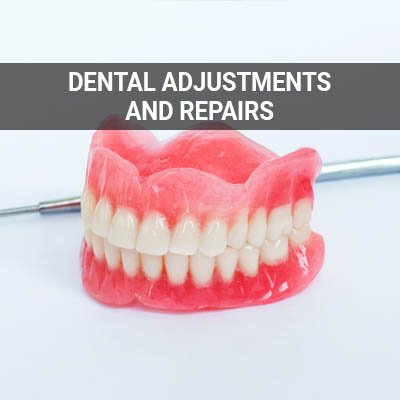
Solutions for common denture problems are available at Vatan Dental Group in Los Angeles and the surrounding area. Our friendly and knowledgeable staff is always ready to help those with dentures adjust to their new teeth. We offer full-service follow-up care, including ongoing fittings and denture adjustments.
Preventive care is critical, and our focus as the first line of defense against potential problems. Proper preventive care can help prevent many denture-related issues like mouth sores, infection, and thrush. Other common issues that we help troubleshoot can include difficulty eating and speaking with new dentures. Call us today at (310) 906-1300 to make an appointment.
Dentures provide only a fraction of the biting and chewing power compared to healthy natural teeth. With that in mind, eating while wearing dentures takes some practice and adjusting. As the patient practices, it is critical to consider the following:
Furthermore, to prevent toothache, cavities, and stained teeth, patients should eat a balanced diet and treat their dentures with the same care they would afford their natural teeth.
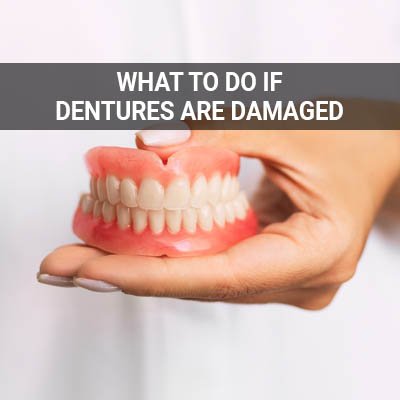
It is crucial to seek treatment quickly when problems with dentures arise. Common denture problems include gum and mouth irritation, loose dentures, and mouth infections. Simply ensuring that dentures fit correctly can increase comfort and reduce soreness.
If a denture problem is present, contact our team quickly. The dentures may need to be adjusted or replaced. Denture wearers who do not seek treatment for ill-fitting dentures can develop mouth infections such as cheilitis and stomatitis. Seeking medical treatment when the problem first arises can prevent such complications from arising.
People can still have a great time while traveling with dentures. However, it is important to maintain a regular cleaning routine. Denture wearers should pack a small case with denture care items, such as a covered storage container.
Cleanser creams, gels, and pastes can travel as long as they meet airline size requirements for liquids. It is also important to maintain proper denture care while traveling. People should remove and rinse their dentures after every meal, brush daily, and soak them overnight.
As foreign devices, dentures insulate the gums from the hot and cold temperature of foods and beverages. Thus, as patients get more accustomed to dentures in their mouth, they may want to avoid foods that are particularly hot and cold. At the very least, they should check the temperature of such foods and beverages with their lips.
It can also be difficult to get accustomed to chewing with dentures. However, many patients find they benefit from cutting up their food into smaller pieces. This puts less stress on their jaws and dentures.
Q. When should denture wearers seek treatment when a problem arises?
Q. How should people take care of their dentures while traveling?
Q. Are dentures associated with oropharyngeal cancer?
Q. How is eating with dentures?
Q. How should I adjust to eating with dentures?
Q. What is the proper way to take care of my dentures?
Q. Can I fix my dentures myself?
Q. What should I do if my dentures start to feel uncomfortable?
Q. How should new denture wearers change their eating practices?
Dentures do not cause oropharyngeal cancer, but dentures that do not fit well or poor oral care while wearing them can. The irritation, inflammation, and infection associated with such issues have been associated with oral cancer. According to one study, while ill-fitting dentures are a risk factor for oral cancer development, there is no link between denture use duration and cancer development.
To limit the risk of oral cancer, people should have their dentures checked. Properly fitting dentures reduce the risk of infection or inflammation. All denture wearers should also take their dentures out every night and clean them well.
Q.Is it easy to chew when wearing dentures?
A.Dentures restore part of a person's chewing capacity compared with having no teeth. However, a denture-wearer will not have the biting force of a person with a complete set of healthy, natural teeth. Chewing with dentures can be mastered with practice.
Q.How can I learn to speak clearly while wearing dentures?
A.Learning to speak clearly with dentures requires practice. It may take a few weeks, but it does get easier. For example, reading aloud is an effective way to practice. Speaking more slowly may also help a patient learn to enunciate while wearing dentures.
Q.What can I eat with dentures?
A.Foods that are not sticky or hard are usually preferred for denture-wearers. It is a good idea to avoid foods with small seeds or hard bits. Foods that have been cut into small pieces are easiest for a person with dentures to eat.
Q.How do I keep my dentures clean?
A.To keep a pair of dentures clean, brush them with a soft-bristled toothbrush at least once a day. It also helps to rinse them after eating. Soak them overnight in an appropriate solution to make sure they keep their shape.
Q.Where can I find more solutions for common denture problems?
A.The most reliable source of information about denture care and oral health is a dental professional such as Vatan Dental Group. If a patient experiences a problem with dentures, it may be an indication that it is time to visit the dentist. Always bring up any concerns and issues during an appointment.
By visiting us as soon as possible, our team can help get you the professional treatment you need. Instead of waiting around and allowing the symptoms to get worse, we can provide you with treatment options.

Scan here to visit Vatan Dental Group on mobile

Taking the right precautions and actions can combat common denture problems. Our team at Vatan Dental Group can help. Call us at (310) 906-1300 for more information or to schedule an appointment.
Request Appointment
Scan here to open directions to Vatan Dental Group on mobile
Implant supported dentures provide a more secure denture option for those who want to replace missing teeth.

Dental implants and dentures are two common options for replacing missing teeth, each offering unique benefits. Understanding their key differences can help patients choose the most suitable solution for their oral health and lifestyle. While both restore the smile’s function

Dental implants restore functionality to the smile, all while looking and feeling like natural teeth. They achieve this by fusing with the jawbone, creating a permanent, irremovable tooth replacement solution that does not slip or slide. This benefit makes them

If you have recently had All-on-4® implants, you may be wondering how to care for them.

Missing teeth can affect far more than just your smile. Patients often notice difficulty chewing, changes in speech, and even a loss of confidence in social situations. At Vatan Dental Group, many patients ask why dental implants have become one