

Reasons for Wisdom Teeth Extractions
Wisdom teeth are the last set of molars and permanent teeth that emerge in the back of the mouth. They generally erupt between the ages of 17 and 21, granting them the name "wisdom teeth." However, in some cases, they never come out at all. Since they are the last teeth on each arch and have no security between them, wisdom teeth can erupt at any angle.
Wisdom teeth are often removed for preventive purposes, as they can cause pain and oral health problems later in life, even if there is no present pain. Extraction becomes necessary when the wisdom tooth or teeth are damaging the other teeth or the jaw, causing sinus issues, inflamed gums and cavities, or are impacting teeth alignment. These more serious problems can result in various oral conditions as the patient gets older.
“Extraction becomes necessary when the wisdom tooth or teeth are causing damage to other teeth or the jaw, causing sinus issues, inflamed gums and cavities, or are impacting teeth alignment.”
What to Know Before Wisdom Teeth Extraction
Wisdom teeth extraction is commonly performed and generally safe when carried out by qualified doctors. However, like any other surgery, it does carry a small risk of complications. These include bleeding, dry socket, and infection. Our team will do everything we can to minimize these risks even further. However, patients should contact our office immediately if they find themselves experiencing any of the following symptoms after their extraction:
- Absent or dislodged blood clot at the extraction site after surgery
- High temperature
- Yellow or white discharge from the extraction site
- Persistent pain and swelling
- Persistent, heavy bleeding that does not subside over time
- Throbbing pain in the gum or jaw
- Unpleasant smell or taste in the mouth
Most potential complications following wisdom teeth extraction are easily treatable when reported to the doctor.
“Wisdom teeth extraction is commonly performed and generally safe when carried out by qualified doctors.”
Preparing for an Extraction
Since an extraction is considered a surgery, it is common for patients to be nervous before their procedure. However, wisdom teeth extractions are quite common, with dentists performing this type of procedure many times a week. It is a good idea for patients to understand what their treatment will entail and properly prepare for it ahead of time.
During the initial consultation, we ask that patients be as open as possible in relaying their symptoms and health history. This allows us to determine whether extraction is safe and to take any necessary precautions during the procedure. Avoid smoking or drinking alcoholic or acidic beverages for at least eight hours before the procedure. Clean the mouth thoroughly and drink only water an hour or two before the procedure. We will administer a local or general anesthetic prior to the procedure, keeping the patient calm and relaxed.
“Avoid smoking or drinking alcoholic or acidic beverages for at least eight hours before the procedure.”
What to Expect During Wisdom Teeth Extraction
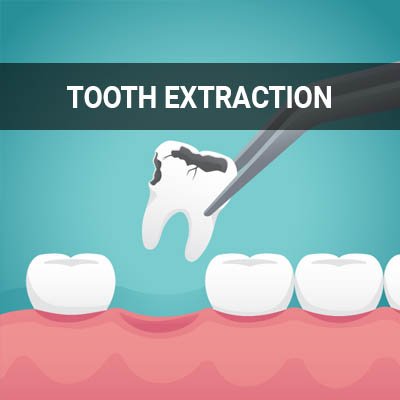
Generally, wisdom teeth extraction begins with the doctor injecting the patient with a local anesthetic to numb them to the pain of the procedure. The doctor will then cut into the gum tissue to expose the tooth and bone, making sure to remove any bone blocking access to the tooth root. Depending on how severely impacted the tooth is, the tooth may be divided into sections to be removed little by little.
After extracting the tooth, the doctor will clean the extraction site of any debris. Afterward, the wound may or may not need stitches, and the doctor will pack gauze over the extraction site to control bleeding and to aid in the formation of a blood clot.
“After extracting the tooth, the doctor will clean the extraction site of any debris.”
Questions Answered on This Page
Q. What are the potential risks of wisdom teeth extraction?
Q. What are the reasons for wisdom teeth extraction?
Q. How can I prepare for an extraction?
People Also Ask
Q. What happens during a tooth extraction procedure?
Q. What other preventative services are available?
Q. How can someone find out what procedures their dental insurance covers?
Aftercare for Wisdom Teeth Extraction
Patients should expect to rest for the remainder of the day following their wisdom teeth extraction. Though regular activities can be resumed as soon as the day after, patients should refrain from any strenuous activity for at least a week following their procedure. Otherwise, they run the risk of overexertion and dislodging the blood clot. Our team will provide patients with a customized recovery plan for their specific procedures.
Complications following wisdom teeth extraction are rare as long as patients follow this plan. However, patients should contact us immediately if they are experiencing any of the following:
- Blood or pus in nasal discharge
- Difficulty swallowing or breathing
- Excessive bleeding
- Fever
- Foul taste in the mouth
- Persistent numbness or loss of feeling
- Pus in or oozing from the socket
- Severe pain that does not subside
- Swelling that does not subside after two or three days
“Though regular activities can be resumed as soon as the day after, patients should refrain from any strenuous activity for at least a week following their procedure.”
Frequently Asked Questions
Q.What is the average age of patients who remove their wisdom teeth?
A.Wisdom teeth generally erupt between the ages of 17 and 21 but can also come out later in life. We like to examine all patients from the age of 17 onwards to monitor their tooth development and detect wisdom teeth eruption as soon as it occurs.
Q.How do I know if my extraction site is healing correctly?
A.Recovery time after an extraction is between three to five days, wherein the socket should begin to close in. It could take about a month or two for the entire site to close. However, if the gums look and feel normal (no swelling or redness), the site should be healing correctly. We like to schedule follow-ups after an extraction to make sure the site is healing properly.
Q.How can I detect dry socket if I do not have pain?
A.In most cases, patients will experience pain from a dry socket. They may also experience a foul smell or notice exposed bone. A dry socket occurs when a blood clot was dislodged earlier than necessary or did not form at all, exposing the bone underneath. Therefore, if a blood clot is not present, a dry socket is very likely.
Q.Can I drive myself back home after wisdom teeth extraction?
A.Patients undergoing a simple extraction with local anesthesia can drive back home as they will only feel numb in the mouth. However, surgical extractions with general or IV anesthesia will need to be driven back after the procedure as they will not be fully alert. We will discuss this during the consultation appointment prior to the procedure.
Q.Can I remove all four wisdom teeth in the same visit?
A.Patients that need all of their wisdom teeth removed can have them all removed in one visit. We may also recommend extracting two on the same side during each visit as the entire area will be numbed anyway. This will reduce the cost, recovery time, and discomfort associated with each extraction.
Quality Dental Services Can Transform Your Smile
By visiting us as soon as possible, our team can help get you the professional treatment you need. Instead of waiting around and allowing the symptoms to get worse, we can provide you with treatment options.

Scan here to visit Vatan Dental Group on mobile


Dental Terminology
- Anesthesia
- Anesthesia is a substance that medical professionals administer in various forms (gas, injection or pill) that helps patients not feel pain or sensations during surgical operations.
- Asymptomatic Wisdom Teeth
- Asymptomatic wisdom teeth are wisdom teeth that show no symptoms of irritation, inflammation or overcrowding the mouth that deem extraction.
- Cosmetic Dentistry
- Cosmetic dentistry is generally used to refer to any dental work that improves the appearance (though not necessarily the function) of a person's teeth, gums and/or bite.
- Cysts - Fluid Filled Sacs
- Cysts are fluid-filled sacs that can also contain gas or puss and can occur anywhere on the body, even in or around the mouth/teeth.
- Dental Checkup
- A dental checkup is an appointment that involves cleaning the teeth, identifying any signs of infection and removing said signs of infection at least once every six months in the office.
- Dental Prophylaxis
- A dental prophylaxis is a professional and detailed cleaning that involves the removal of plaque, calculus and stains from the teeth.
- Dentist
- A dentist, also known as a dental surgeon, is a doctor who specializes in the diagnosis, prevention, and treatment of diseases and conditions of the oral cavity.
- Dry Socket
- A dry socket can occur after pulling a tooth out and seeing white bone in said socket. Other symptoms of dry socket include bad breath and an unpleasant taste in the mouth.
- Oral Surgery
- Oral surgery is a type of surgery that focuses on the mouth, jaw, gums or teeth. Oral surgery can repair, enhance or correct multiple issues in the mouth.
- Pericoronitis
- Pericoronitis refers to the inflammation of the soft tissue surrounding the crown of a partially-erupted tooth.
- Preventive Dentistry
- Preventive dentistry is the dentistry that focuses on maintaining oral health in order to prevent the spread of plaque, the formation of tartar and infections in the mouth.
- Third Molars
- The third molars are also known as the wisdom teeth and typically require removal in order to prevent pain and other issues in the mouth.
- Vacuum Formed Mouthguard
- A vacuum formed mouthguard involves customizing the mouthguard to match a mold of the individual patient's teeth for a perfect fit.
- Wisdom Teeth Impaction
- Wisdom teeth impaction occurs when the wisdom teeth are under the gums enough that an individual cannot reach them with a toothbrush.
Helpful Related Links
- American Dental Association (ADA). Glossary of Dental Clinical Terms. 2025
- American Academy of Cosmetic Dentistry (AACD). Home Page. 2025
- WebMD. WebMD's Oral Care Guide. 2025
About our business, license, and website security
- Vatan Dental Group was established in 2012.
- We accept the following payment methods: American Express, Cash, Check, Discover, MasterCard, and Visa
- We serve patients from the following counties: Los Angeles County
- We serve patients from the following cities: Los Angeles, Inglewood, Westchester, Marina del Rey, Playa del Rey, Playa Vista, Culver City, Fox Hills, Hawthorne, El Segundo and Santa Monica
- CA (License #49259). View License Information and Specifics
- National Provider Identifier Database (1740278662). View NPI Registry Information
- Norton Safe Web. View Details
- Trend Micro Site Safety Center. View Details

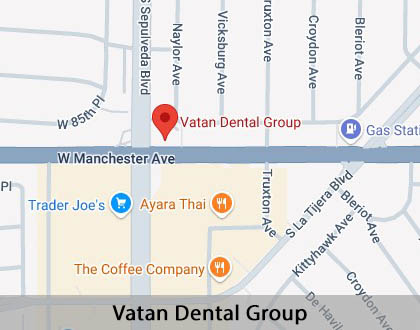
Scan here to open directions to Vatan Dental Group on mobile